


Why Some Replacement Battery Parts Cost More
A specialty pack costs more because its tooling and cells come from much smaller production runs. If you have ever asked why are some replacement battery parts so expensive, that is the short answer, and it helps buyers judge value by fit rather than the sticker.
- Small production runs raise the per-unit cost of a specialty replacement battery pack.
- Exact-fit connectors and protection electronics add engineering that generic cells skip.
- Judge value by voltage, capacity, and part number rather than the lowest price.
- A 30-day money-back guarantee and one-year warranty back every pack we sell.
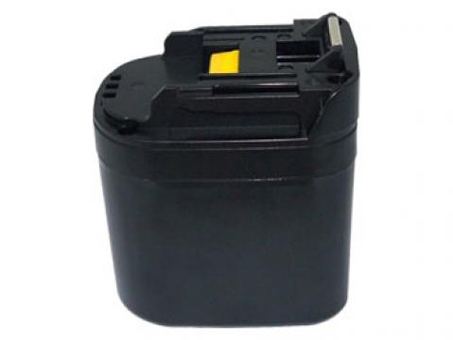
Small Batches, Higher Costs
A mainstream cordless drill battery sells in huge volumes, so its case molds, circuit boards, and cell orders are spread across enormous quantities. A pack made for a single older tool or a niche device has none of that scale. The same fixed costs of design, tooling, and testing get divided by far fewer units, and that shows up in the shelf price.
Low demand keeps things that way. A shop cannot order a million cells for a tool that sold for two short years, so each batch is smaller and each component costs more to source. None of this is a markup for its own sake; it is simply what it takes to keep an exact-fit part available after the original maker has moved on.
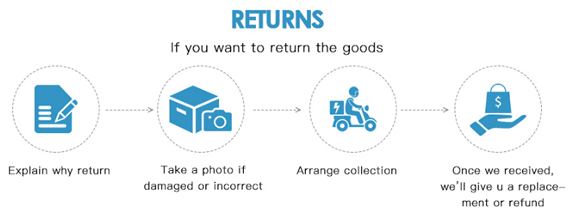
What You Are Actually Paying For
An aftermarket replacement battery pack is more than a few cells in a shell. It needs the right voltage, a connector that seats cleanly, a housing that latches, and protection electronics that talk to the tool's charger. Getting those details right for one specific model takes engineering time, and cheap generic cells cannot simply be dropped in without that work.
Brand new cells matter here too. Fresh cells with low internal resistance hold a charge and deliver current under load, while old or graded-down stock fades early. You are paying for a pack that behaves like the original from the first job, which is a different thing from buying the cheapest cell that happens to fit the space.
Judging Value Instead of Sticker Shock
The useful comparison is not price against price, but price against the runtime and fit you get. Check the voltage, the amp-hour rating, and the part number on your old pack, then see what a compatible replacement includes. A cheaper pack that needs replacing in six months is no bargain, and a fresh one backed by a guarantee is usually the calmer buy.
Every pack we sell is a brand new, 100% compatible aftermarket replacement with a 30-day money-back guarantee and a one-year warranty. If a listing looks high next to a generic cell, that coverage is part of what you are getting. Our Battery FAQs and Contact Us team can also confirm a part number before you commit.
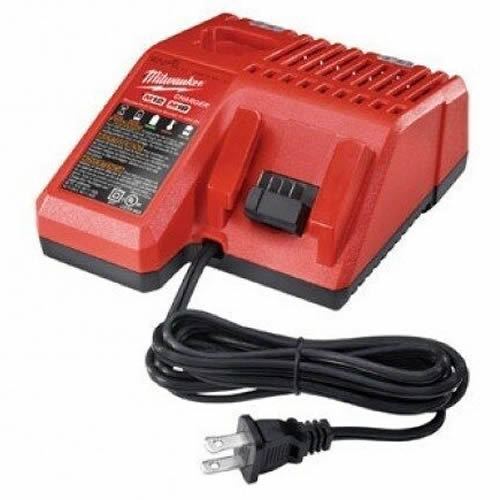
Getting the Right Part the First Time
Nothing wastes money like ordering twice. Read the model plate on the tool and the label on the old pack, then match both to the listing before you check out. If the numbers have worn off, our Battery Guides can help you narrow it down. A correct replacement power tool battery is worth more than a few dollars shaved off a guess.
Find the right replacement battery
Browse exact-fit replacement battery packs and chargers backed by a one-year warranty and pick the value that lasts.
Frequently asked questions
Is a pricier pack always better?
Not automatically, but a very low price is worth a second look. Compare voltage, capacity, cell quality, and the part number, then weigh the guarantee behind it. A pack that fits, holds a charge, and is covered if something goes wrong is usually the better value over time.
Why does an older tool's battery cost more?
Demand has faded, so the cells and housing are made in smaller batches with higher per-unit costs. Keeping a compatible pack available for an older tool takes real sourcing work. The good news is that a fresh replacement usually restores the tool for far less than buying a whole new system.
Can I find a cheaper generic cell?
You may, but a generic cell rarely matches the connector, polarity, or protection electronics of a specific tool. Forcing one in can damage the charger or the tool. Matching the exact part number is the safer path, and our team can help you confirm it before you order.
Related reading
Last reviewed by the batteries-company.com editorial team. Brand and model names are used to describe compatibility only; replacement packs are aftermarket products.
Editorial source: Q&A Collection 058 — “Why are some battery parts so expensive” (FAQ #18). See the full collection-to-article map.

 Warehouse address: