


How Long a Replacement Battery Really Lasts
Two different clocks govern a battery: how long it runs per charge and how many full charges it can absorb over its life. If you are asking how many charge cycles does a lithium battery last, the honest answer is a few hundred, and your habits shift that number.
- Runtime per charge and total charge cycles are two separate measures of battery life.
- A lithium pack typically delivers a few hundred full charge cycles before fading.
- Heat, deep discharges, and constant full drains wear a cell out faster.
- Falling runtime is the clearest signal it is time for a fresh pack.
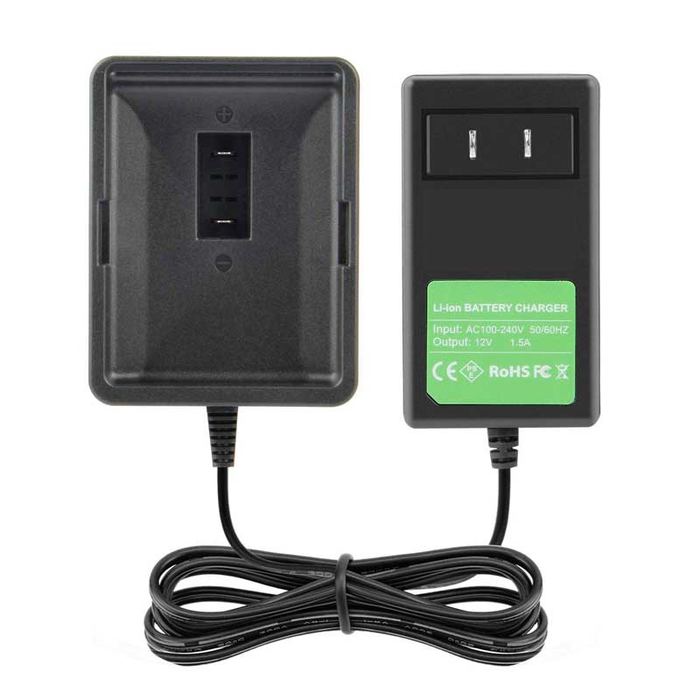
Runtime Versus Overall Lifespan
It helps to separate two ideas that often get blurred. Runtime is how long a charged pack powers your tool before it needs plugging in again, and it depends on the job. Overall lifespan is the number of complete charge and discharge cycles a cell can handle before its capacity fades. A pack can run well per charge yet sit near the end of its cycle life.
For lithium-based packs, a few hundred full cycles is a reasonable expectation under normal use, while NiCad and NiMH cells can often go further. Each cycle nibbles away a little capacity, which is why an older pack never quite matches a new one. That gradual decline is normal aging for a consumable part, not a defect or a sign you did something wrong.

What Shortens a Battery's Working Life
How you treat a pack matters as much as the calendar. Regular deep drains to zero, leaving a cell empty for weeks, and storing it in a hot car all add stress. High-drain tasks that pull heavy current also generate heat inside the cells. None of this kills a battery overnight, but stacked together it can pull a serviceable pack toward an early replacement.
Gentle habits stretch those cycles out. Top up after a normal session, keep the pack cool and dry, and store it partly charged if it will sit unused. A smart charger that stops at full also protects the cells from the slow wear of constant overcharging.
Reading the Signs That It Is Time
Numbers on a chart matter less than what you notice on the job. When a full charge delivers a fraction of the runtime it once did, when the tool bogs down under a load it used to shrug off, or when the pack swells or runs hot, the cells are telling you something. That is the practical point to stop coaxing the old battery and start looking at a replacement.
Swapping in a fresh compatible pack is usually far cheaper in effort than nursing a tired one through another season. Check the model and part number, and choose a brand new, 100% compatible aftermarket replacement that matches the original voltage. A full first charge and a couple of settling cycles will show you the difference quickly.
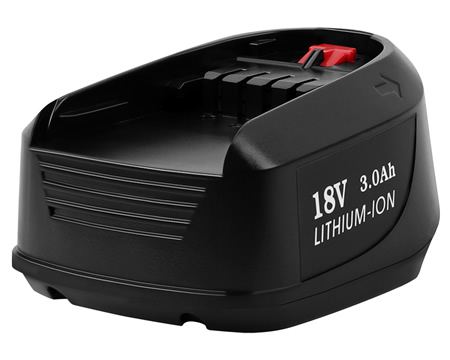
Getting the Most From the Next Pack
Buy the right replacement power tool battery the first time and the whole question of lifespan gets easier. Each pack we list is a brand new, 100% compatible replacement covered by a 30-day money-back guarantee and a one-year warranty. Treat it well, and a few hundred solid cycles is a fair expectation.
Find the right replacement battery
Browse brand new compatible replacement batteries and chargers for your model and get dependable runtime back on the next job.
Frequently asked questions
Is runtime the same as battery lifespan?
No. Runtime is the minutes or hours you get from one full charge, while lifespan is the total number of charge cycles the pack can deliver over its life. A battery can show decent runtime yet be close to its cycle limit, which is why the two numbers get confused.
How many cycles should I expect from a lithium pack?
Under normal conditions, a few hundred full charge and discharge cycles is a reasonable range for a lithium-based battery, with capacity easing down along the way. NiCad and NiMH packs often manage more. Real results depend on heat, how deeply you discharge, and how often you charge.
When should I replace rather than keep charging?
Replace the pack when a full charge gives you clearly less runtime, when it struggles under a normal load, or when it runs hot or swells. Those are signs the cells have reached the end of their useful life. A fresh compatible pack restores performance more reliably than any trick.
Related reading
Last reviewed by the batteries-company.com editorial team. Brand and model names are used to describe compatibility only; replacement packs are aftermarket products.
Editorial source: Q&A Collection 053 — “How long will the battery last?” (FAQ #146). See the full collection-to-article map.

 Warehouse address: