


Precision Inside the Pack: Why Cell Quality Matters
A battery is a group of individual cells working together. The rating on the label is only as trustworthy as the weakest cell inside and how well the set was matched.
- Capacity in mAh only makes sense alongside voltage and load.
- Matched cells age together and stay balanced through the cycle.
- Higher capacity is useful only when the pack fits and charges correctly.
- Heat and deep discharge shorten life more than ordinary use does.
What Capacity Actually Measures
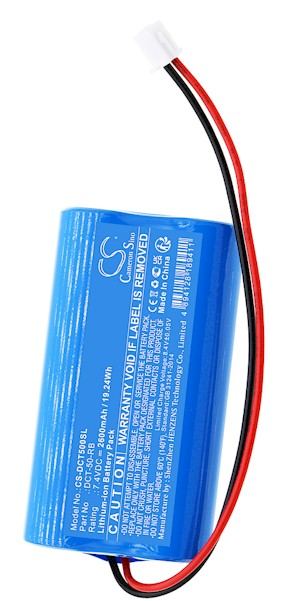
Amp-hours and milliamp-hours describe how much charge a battery can store. Watt-hours describe the energy, which is capacity multiplied by voltage. The second figure is often more useful when comparing packs that do not share the same voltage, because it accounts for both parts of the equation. A 3.7 V 5,000 mAh pack and a 7.4 V 2,500 mAh pack store roughly the same energy even though the mAh numbers look very different.
Ratings are measured under controlled conditions. Real devices draw current in bursts, run warm and rarely operate at the tidy figures used in a test lab. That is why a pack rated for a certain capacity will not deliver that exact amount in every machine. The number is a basis for comparison, not a promise of hours.
Why Matching Cells Matters
Inside most replacement packs, several cells are connected together. For the pack to behave predictably, those cells need similar capacity and similar internal resistance. When they are well matched, they charge and discharge at close to the same rate, and the pack stays balanced over hundreds of cycles.
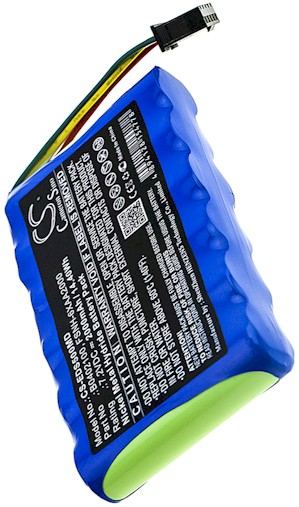
Poorly matched cells do not fail all at once. One reaches its limit first and forces the others to work outside their comfortable range. The result is a pack that shows full on the gauge but collapses under load, and a protection circuit that shuts the device down without warning. From the outside it looks like a bad battery. Inside, it is a balance problem that began at assembly.
The Cost of Getting It Wrong
Cell quality also affects safety. A cell with an internal flaw can overheat when charged, particularly in a pack that lacks reliable monitoring. Reputable manufacturers test cells, group them by measured characteristics and fit protection circuitry that interrupts current when something goes out of range. Those steps cost money, which is why unusually cheap packs deserve closer scrutiny.
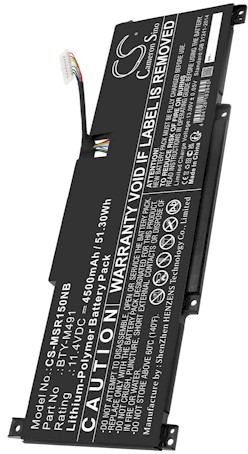
None of this means you need to open a battery and inspect the cells yourself. It means buying from a seller who can answer basic questions about construction and who offers a real warranty. We supply brand new, 100 percent compatible packs with a 30-day money-back guarantee and a one-year warranty, and we will confirm fit and voltage before you order.
Getting the Most From a Good Pack
Even well-made cells age. You can slow the process by keeping the battery cool, avoiding deep discharges and using a charger matched to its voltage and chemistry. Store a spare partly charged rather than empty or completely full, and give it a top-up before a long period of disuse. These habits do not stop aging, but they keep it predictable.
If you are comparing two packs, start with part number and voltage, then capacity, then warranty. A slightly higher capacity from a trusted seller is usually a better buy than an inflated claim from an unknown one. And when the old pack finally retirement, take it to a proper recycling point rather than the household bin.
Find the right replacement battery
A well-matched pack delivers steadier power for longer, whatever the device.
Frequently asked questions
What is the difference between mAh and Wh?
mAh measures charge; Wh measures energy and accounts for voltage. Use Wh when comparing packs at different voltages, since it reflects the usable energy more fairly.
Why do two packs with the same rating perform differently?
Cell matching. Cells with similar capacity and internal resistance stay balanced through the cycle. Poorly matched cells make the pack fade early and shut down under load.
Does a higher capacity always mean a better pack?
No. It helps only if the pack fits the bay, stays within the intended voltage range and uses well-matched cells. Fit and quality come before the capacity number.

 Warehouse address: