

What Battery Degradation Means for Your Devices
Battery degradation is the gradual loss of a pack's ability to hold and deliver charge, and it happens to every rechargeable cell. Understanding why it happens helps you set realistic expectations and know when a fresh replacement is the practical move.
- Degradation is the slow decline in how much charge a pack can hold.
- Each charge cycle and excess heat wear a Li-ion cell down a little.
- Rising internal resistance makes a tired pack sag under heavy load.
- When runtime falls off sharply, a compatible replacement pack is the fix.
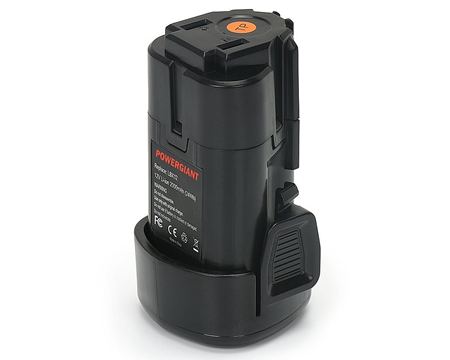
A plain-language definition
Battery degradation is simply a rechargeable pack losing its edge over time. A new cell stores a certain amount of energy and delivers it at a steady voltage; as it ages, it stores less, delivers it less cleanly, and gives up sooner. Nothing dramatic has to break. The change is gradual, which is why it is easy to miss until runtime is clearly shorter.
Chemists describe several things happening at once: capacity drops, internal resistance climbs, self-discharge speeds up, and the pack may cut off before it is truly empty. You do not need the vocabulary to recognize the pattern. If a fully charged tool now quits after a few minutes, the pack has degraded and no amount of extra charging will bring that capacity back.

One everyday example
Picture a cordless drill battery that ran a full afternoon of deck screws when it was new. Two years later the same pack is flat after a handful of holes, even though the charger still shows a full light. The cells have not failed outright; they have simply lost capacity and gained resistance, so voltage sags the moment the motor pulls hard.
Heat is the biggest accelerant most people can control. Leaving packs in a hot car, charging them right after heavy use, or storing them fully drained all add wear. Cooler storage, moderate charging, and avoiding constant deep discharges slow the decline, though nothing stops it entirely.
What degradation means when you shop
Once a pack has degraded, buying another charger or cleaning contacts will not help; the cells themselves are worn, so a replacement is the sensible choice. Look for a Li-ion battery pack that matches the original voltage and chemistry and lists a capacity at least as high as the one you are retiring. That restores the runtime you remember.
If you have been wondering why does my cordless drill battery lose capacity over time, the short answer is ordinary chemical aging inside each cell. Quality cells and sound safety circuitry help a new pack age gracefully, and a 1-year warranty adds peace of mind.

Setting realistic expectations
No rechargeable pack is permanent, and a replacement will one day show the same slow fade. Treat degradation as normal maintenance rather than a defect. Every replacement we sell is brand new and 100% compatible, so you are starting the clock fresh with the correct fit, backed by a 30-day money-back guarantee.
Find the right replacement battery
When runtime has faded for good, browse a compatible replacement battery pack matched to your tool.
Frequently asked questions
Can a degraded battery be revived?
Not in any lasting way. A full charge or a cleaning can make a tired pack look better briefly, but the lost capacity is gone for good because the cell chemistry has changed. Once runtime is clearly short, a compatible replacement is the dependable fix.
Does fast charging cause degradation?
Heat is the real enemy, and fast charging tends to generate more of it. Using the charger designed for your pack and letting a hot battery cool before charging both help. Occasional quick charges are fine, but repeated high heat is what wears cells down faster.
How long until a replacement starts fading?
It depends on charge cycles, heat, and how hard you use the tool, so there is no fixed date. With reasonable care a quality pack gives years of service before the decline is obvious. A 1-year warranty covers you if something goes wrong early on.
Related reading
Last reviewed by the batteries-company.com editorial team. Brand and model names are used to describe compatibility only; replacement packs are aftermarket products.
Editorial source: Q&A Collection 103 — “What is battery degradation” (FAQ #60). See the full collection-to-article map.

 Warehouse address: