

Battery Chemistry Types Explained for Replacement Packs and Chargers
Most replacement packs use one of three chemistries: nickel cadmium, nickel metal hydride, or lithium ion. Knowing which one your device was built for matters to a US buyer because the chemistry determines the charger you can use, the runtime you can expect, and how the pack behaves over time.
- Older cordless tools often run on NiCad or NiMH, while newer packs are usually lithium based.
- Chemistry decides the charging profile, so a charger built for one type may not suit another.
- Li-ion packs hold charge well and avoid the memory effect that affects nickel cadmium cells.
- Always match the chemistry of your original pack; the part number is the safest guide.
The three chemistries you will actually meet
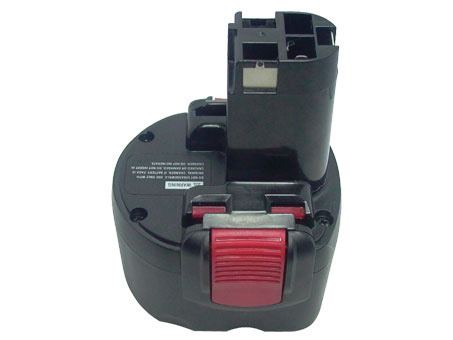
If you have searched what battery chemistry does my cordless drill use, the label on the old pack usually answers it. Nickel cadmium, or NiCad, is the older workhorse in many legacy tools. Nickel metal hydride, or NiMH, is a higher-capacity cousin without cadmium. Lithium ion, or Li-ion, powers most modern tools, laptops, and vacuums because it packs more energy into a lighter shell.
You may also run across lithium ion polymer, a Li-ion cell built with a gel-like electrolyte in a flexible pouch rather than a rigid can. It behaves much like standard Li-ion in everyday use. Specialty cells exist for meters and medical gear, but they rarely appear in a tool or laptop replacement. For most shoppers, the three families above cover it.
A concrete example from the tool shelf
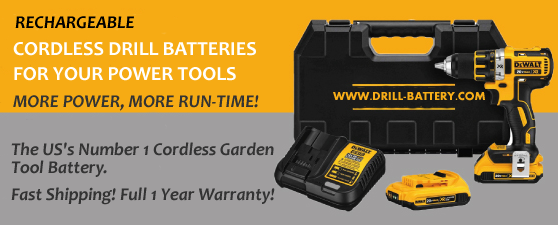
Picture two drills that look almost identical on a rack. The older one takes a NiCad pack that tolerates a simple, slower charge and loses capacity if it is repeatedly topped off before being emptied. The newer one uses a Li-ion pack with smart electronics that report charge level to the charger. Same voltage rating, different chemistry, and very different care.
The practical lesson is that voltage alone does not tell the whole story. Two packs can share a voltage yet need different charging curves and different protection circuits. That is why a power tool battery charger is matched to a chemistry, and why swapping chemistries casually is a bad idea.
Chargers are the part people overlook
Nickel based chargers can be fussy. A unit designed only for NiMH will often handle NiCad as well, but a NiCad-only charger may overcharge a NiMH pack because it looks for a different end-of-charge signal. Lithium chargers are a separate family and rely on the pack's own electronics. Some units are labeled for several chemistries, so read the label before pairing anything.
The safest habit is to keep the charger that came with the tool and replace only the pack. Every Li-ion battery pack we sell is a brand new, 100% compatible aftermarket replacement built for the voltage and electronics of the original. That makes the chemistry decision something you confirm once, not something you debate.
Picking the right pack with confidence
Read the chemistry and voltage on your old label, then match the part number and exact model on the product page. If the label is worn, the device manual or our Contact Us page can settle it. Getting this right means the pack charges on the charger you already own and delivers predictable runtime from the first cycle.
Find the right replacement battery
Match the chemistry on your old label, then browse the replacement battery built for your exact tool model.
Frequently asked questions
Can I put a Li-ion pack in an older NiCad tool?
Generally no. The device and its charger were designed around one chemistry, with a specific charging curve and cutoff. A different pack may not seat or charge correctly. Match the original chemistry and part number, and keep the charger you already have.
What is memory effect?
It is a gradual loss of usable capacity seen in nickel cadmium cells that are repeatedly recharged before being fully drained. NiMH suffers far less, and Li-ion essentially avoids it. A lithium pack can be topped off whenever it suits your work.
Does a higher mAh rating change the chemistry?
No, capacity and chemistry are separate. A higher mAh or Ah figure means more runtime between charges within the same chemistry and voltage. It does not turn a NiMH pack into a lithium one, and it should never justify a different charger.
Related reading
Last reviewed by the batteries-company.com editorial team. Brand and model names are used to describe compatibility only; replacement packs are aftermarket products.
Editorial source: Q&A Collection 064 — “What battery chemistry types are available” (FAQ #23). See the full collection-to-article map.

 Warehouse address: