


What Volts Mean When You Pick a Battery
Volts measure electrical pressure, or how strongly a battery pushes current through a tool. If you have ever wondered what does voltage mean on a cordless drill battery, it is the number that decides how much power the motor can draw.
- Voltage is the electrical pressure that pushes current from a battery into a device.
- A replacement pack must match the original voltage to work safely.
- Cell count sets the nominal voltage, such as a 12V pack made of cells in series.
- Higher capacity adds runtime, while voltage governs available motor power.
Voltage in Plain Language
Think of a battery like a water tank. Voltage is the pressure behind the flow, while current is how much actually moves through the wire at a given moment. A higher voltage lets a motor do more work under load, which is why a drill rated for a certain pack feels stronger than one running on a weaker supply. The number on the label is a promise about that pressure.
You will see a nominal figure like 12V or 18V on a pack, and a slightly different reading while it charges or discharges. That is normal: a lithium cell sits around a set nominal value and moves up when full and down when nearly empty. The label rounds this to a working range so shoppers can compare packs easily. None of this changes what you need to buy.

A Concrete Example With Cordless Tools
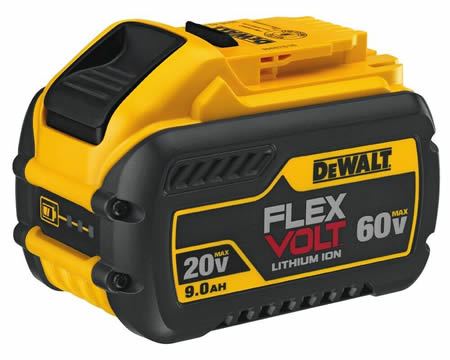
Consider a cordless drill battery labeled 20V Max. That figure describes its peak no-load voltage, while the same platform is often called 18V in nominal terms, which is why the two labels confuse people. Either way, the tool and charger are designed around one voltage class. Put a pack from a different class on that tool and it will either fail to run or risk damaging the electronics.
The cells inside set that number. Wire several lithium cells in series and their voltages add up, so a 12V pack is built from a specific chain of cells matched to the target. Capacity, measured in Ah or mAh, is a separate idea about how long the pack can sustain that pressure. Do not mix the two when comparing listings.
Why Voltage Matching Protects Your Tool
A compatible pack is engineered to the same voltage, connector, and footprint as the original, and its built-in protection circuitry watches for over-voltage and under-voltage conditions. That little circuit is what keeps charging safe and stops a pack from being pushed beyond its limits. Choosing the correct voltage class lets those safeguards do their job. It is the simplest compatibility check there is.
Before you order, read the voltage printed on the old pack or the tool's label and match it to the compatibility notes. If a listing offers a higher capacity in the same voltage class, that generally means longer runtime, not more raw power. When in doubt, send the model and part number to our team through Contact Us.
Picking the Right Pack With Confidence
Match the voltage first, then consider capacity and cell quality for the runtime you want. Every aftermarket replacement battery pack we carry is brand new, 100% compatible, and covered by a 30-day money-back guarantee plus a one-year warranty. Get those two details right and the swap is routine.
Find the right replacement battery
Browse compatible replacement batteries and chargers by voltage class and order the pack that matches your tool with confidence.
Frequently asked questions
Is a higher voltage battery always better?
No. A tool is designed for one voltage class, and a pack outside it may not run or could harm the electronics. Higher voltage only helps when the device was built for it. Match the original rating instead of chasing a bigger number on the label.
What is the difference between 18V and 20V Max?
They usually describe the same tool platform. One figure is the nominal voltage and the other is the peak no-load reading, which is why both appear in marketing. What matters is that the pack and charger belong to that platform. Check the compatibility notes rather than comparing the two numbers alone.
Does voltage affect how long a battery runs?
Not directly. Runtime is mostly about capacity, measured in Ah or mAh, along with how hard the tool works. Voltage governs the pressure available to the motor. A higher-capacity pack in the same voltage class is what usually gives you a longer session between charges.
Related reading
Last reviewed by the batteries-company.com editorial team. Brand and model names are used to describe compatibility only; replacement packs are aftermarket products.
Editorial source: Q&A Collection 077 — “What are volts” (FAQ #37). See the full collection-to-article map.

 Warehouse address: