


Can You Choose the Battery Chemistry in a Replacement Pack
Usually no: a device and its charger are engineered around one chemistry, so the replacement pack has to follow that design rather than your preference. For a US shopper, the useful move is to confirm the original chemistry and part number, then buy a pack built to the same standard.
- Chemistry is set by the device and charger, not by the person buying the replacement.
- A few older laptop lines shipped with either a NiMH or a Li-ion pack, which is the exception.
- Swapping chemistries casually risks a pack that will not charge or a charger that overheats cells.
- Check the old label and the compatibility list; that single step settles the chemistry question.
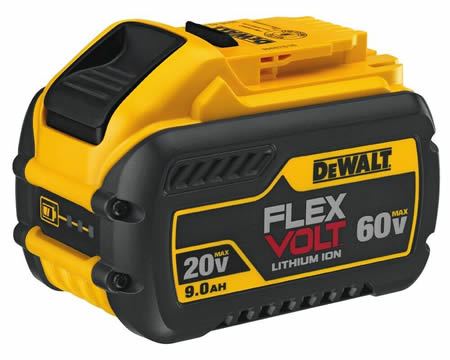
Why the device gets the deciding vote
A common search, can I use a NiMH battery instead of Li-ion, has a short answer: almost always no. Charging is a controlled conversation between the pack and the charger, and each chemistry expects a different voltage curve and cutoff point. The device may also read a smart-battery chip to report remaining runtime. Change the chemistry and that conversation stops making sense, even if the case somehow fits.
That is why the chemistry question is really a compatibility question. Manufacturers choose a cell type early in the design, then build the charging circuit, the fuel gauge, and the thermal protection around it. A replacement pack has to slot into that system unchanged. Thinking of chemistry as a fixed specification, rather than an option, saves a lot of second-guessing at checkout.

The rare case where a choice existed
There is one historical exception worth knowing about. Some older laptop families were sold with a choice of a nickel metal hydride pack or a lithium ion pack, and the two were offered as separate configurations. Even then, the charger and the device firmware had to match whichever pack shipped with that unit. You could not mix the two freely, so the choice belonged to the original configuration.
Power tools, vacuums, and modern laptops are almost always locked to a single chemistry. If you are unsure which one you own, the label on the old pack is the quickest clue. When the printing has rubbed off, the device manual or our Contact Us page can clear it up.
What happens if you get it wrong
A mismatched pack can fail in quiet ways. It may refuse to charge, report an incorrect charge level, or run warm because the charger is applying the wrong curve. None of those outcomes helps a tool that needs to be back on the job. The safer path is to match the original part number and model, which pins down chemistry, voltage, and connector layout in one step.
Every pack we sell is a brand new, 100% compatible aftermarket replacement built around the original chemistry. So the decision is less about picking a type and more about confirming one. Once that is done, the 30-day money-back guarantee and 1-year warranty give you room to be sure the fit is right.
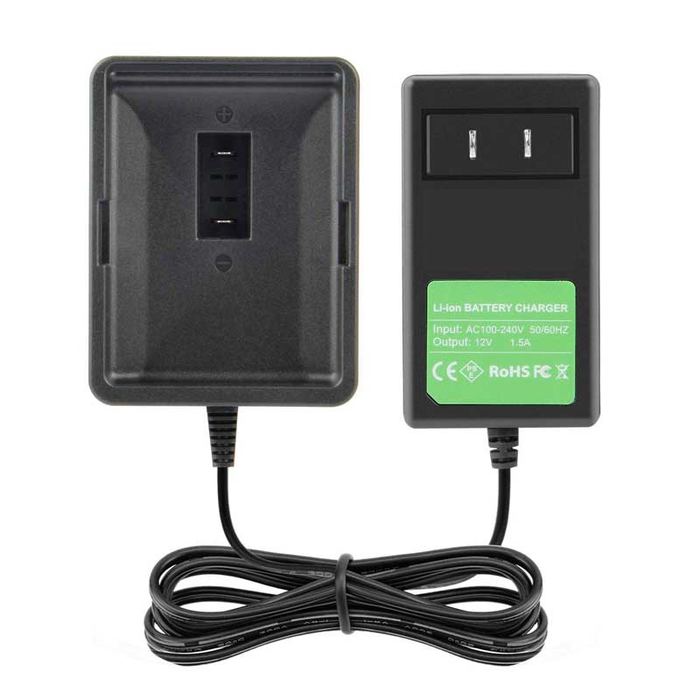
A simpler way to order
Start with the part number from your old pack and the exact model of the device. Check both against the compatibility list on the product page, and note the chemistry printed on the label. A replacement laptop battery chosen this way drops in and charges on the charger you already own, with no guesswork involved.
Find the right replacement battery
Confirm the chemistry on your old pack, then pick the replacement battery matched to your exact model.
Frequently asked questions
Can I upgrade an old tool to lithium?
Not as a simple swap. The charger, the charging circuit, and often the case are built around the original chemistry. Converting a tool usually means changing several parts at once. A compatible replacement built for the original pack is the practical choice.
How do I tell which chemistry I have?
Look at the label on the old pack; NiCad, NiMH, or Li-ion is normally printed there. If the text is gone, check the device manual or ask us through Contact Us with the model number. Guessing is the one approach to avoid.
Do I need a different charger too?
Only if your current charger has failed. A compatible pack is designed to work with the original charger, since it follows the same chemistry and voltage. If you do need a replacement, check that the charger is labeled for your pack type.
Related reading
Last reviewed by the batteries-company.com editorial team. Brand and model names are used to describe compatibility only; replacement packs are aftermarket products.
Editorial source: Q&A Collection 065 — “Can I choose which battery chemistry I would like to purchase” (FAQ #24). See the full collection-to-article map.

 Warehouse address: