


Are Our Replacement Batteries Safe for Everyday Use
Yes, when a pack is brand new, correctly matched to your device, and used as intended it is a safe, dependable power source. Understanding what goes into a quality replacement helps any US buyer shop with confidence rather than guesswork.
- Every pack we sell is a brand new, fully compatible aftermarket replacement.
- Matching voltage and model is the first rule of safe, reliable use.
- Built in protection circuitry helps guard against overcharge and shorts.
- Inspect any pack for damage and handle lithium cells with care.
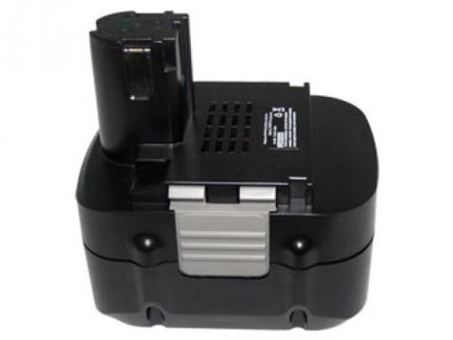
What Brand New Compatible Really Means
Every pack we offer is brand new and built as a 100% compatible aftermarket replacement, never a pulled or refurbished cell. Brand and model names on our pages describe compatibility only, so you know exactly which tool, laptop, or vacuum the pack is meant to serve. Fresh cells, a correct fit, and intact electronics are the foundation of a battery that behaves the way the original did.
If you have been asking are aftermarket replacement battery packs safe, the honest answer starts there: safety follows from a pack that is new, properly specified, and used in the device it was designed for. A well made replacement does not ask your charger or tool to work harder. It simply delivers the same voltage and capacity the device expects.

The Parts That Do the Protecting
Inside a modern Li-ion battery pack, small protection circuits manage charging, help prevent overcharge, and watch for shorts or excessive current. Smart battery electronics also report charge level to the device, which is why a good replacement reads correctly on the gauge instead of guessing. Cell quality and the way cells are matched in a pack matter just as much as the label on the outside.
This is why voltage and capacity are worth a quick look before you buy. A replacement laptop battery or cordless tool pack built to the right specification slots into the same charger and the same safety margins as the original. General build quality, sound circuitry, and a clean fit do more for peace of mind than any marketing phrase.
Handling and Shipping Lithium Safely
Any battery deserves sensible handling, and a damaged one should never be used. Keep packs away from extreme heat, avoid puncturing, and stop using a cell that is swollen, dented, or leaking. As a general guideline, lithium battery packs normally move by ground surface transport under US DOT rules, since air shipment of lithium cells is heavily regulated, though that is guidance rather than a promise about any single order.
When you receive a pack, give it a quick visual check before the first charge. Store spare batteries in a cool, dry place and use the charger intended for that device. These are ordinary habits, not special rituals, and they go a long way toward a long, uneventful service life.
Support and Straight Answers
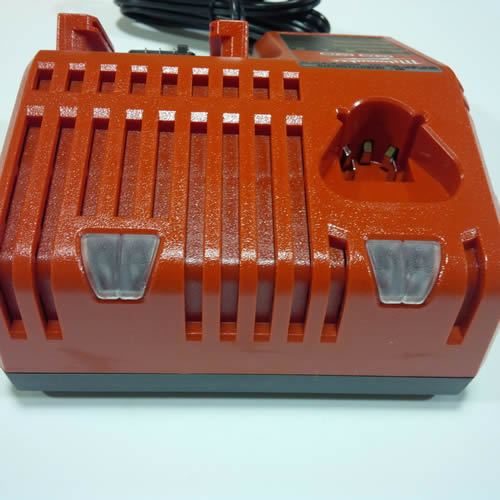
Buying an aftermarket replacement battery pack should feel routine, not risky. The site spells out a 30-day money-back guarantee and a 1-year warranty, and our Battery FAQs and Contact Us pages are there if a fit question comes up. Match the model, inspect the pack on arrival, and charge it normally, and you have covered the practical side of safe ownership.
Find the right replacement battery
Explore brand new compatible replacement batteries and chargers, and order a pack matched to your device with confidence.
Frequently asked questions
Do compatible packs meet the device's needs?
A properly specified replacement delivers the voltage and capacity the device was designed around, with protection circuitry built in. Brand and model names on our site describe compatibility only. When the model and part number match, the pack fits, charges, and reports its level just like the original.
Is warmth during charging a concern?
Mild warmth while a lithium pack charges or works hard is normal. What deserves attention is swelling, a sharp odor, hissing, or a case that no longer closes flat. If you see any of those, stop using the pack, set it aside somewhere safe, and contact our team for guidance.
What should I check when the battery arrives?
Look over the housing for dents, cracks, or a loose connector before charging, and confirm the model against your order. Then give it a full initial charge and a normal first use. A quick inspection takes seconds and catches the rare problem before it becomes an inconvenience.
Related reading
Last reviewed by the batteries-company.com editorial team. Brand and model names are used to describe compatibility only; replacement packs are aftermarket products.
Editorial source: Q&A Collection 043 — “Are our products safe to use?” (FAQ #137). See the full collection-to-article map.

 Warehouse address: