


What Actually Causes a Battery to Fail
Most battery failures come down to gradual chemical aging plus a few avoidable stresses like heat, deep drains, and physical damage. If you have been asking why do rechargeable batteries stop holding a charge, the answer is simpler than it sounds.
- Every rechargeable cell slowly loses capacity as its chemistry wears with use.
- Heat, overcharging, and deep discharges speed up that natural decline.
- Swelling, leaking, or a warped case means a pack should be replaced.
- A fresh compatible pack with sound safety circuitry restores dependable power.
The Ordinary Kind of Failure
A battery is a consumable part, so some decline is built in. With every charge and discharge, tiny chemical changes inside the cells reduce how much energy the pack can store. Over a few hundred cycles that loss becomes obvious as shorter runtime. This is normal aging, not a manufacturing mistake, and it is the most common reason a pack eventually needs replacing.
One concrete example makes it clear. Leave a laptop pack in a hot car through a summer afternoon and the heat accelerates those internal reactions, so a cell that once held a full day of work now fades by lunch. The pack did not break in a single moment; the damage accumulated. Multiply that by years of charging and you get the familiar slow fade.

Stress, Misuse, and Physical Damage
Beyond aging, a handful of outside factors push a pack toward an early end. Repeated deep drains to zero, constant overcharging, and storage at a low charge all strain the cells. Drops can crack a weld or warp the housing, and a charger with the wrong voltage can overwhelm the electronics. Incompatible or poorly made hardware is a quiet but real cause of trouble.
Extreme cases are worth recognizing early. A pack that swells, leaks, smells unusual, or gets hot during a normal charge should be taken out of service and recycled properly. Those are signs the internal safeguards have been overwhelmed. A quality replacement, matched to the right voltage, avoids most of this by keeping the cells inside their intended limits.
How Good Design Prevents Problems
The difference between a dependable pack and a troublesome one often comes down to what is inside the case. Fresh, well-matched cells hold voltage steadily under load, and protection circuitry watches for over-voltage, under-voltage, and excess current. That little board is what stops a charger from pushing a cell past its limit. When you buy a replacement, cell quality and those safeguards matter more than the label.
This is why matching the original voltage and part number is worth the minute it takes. A pack built for the correct platform fits the charger, seats properly, and lets its protection circuit do the job. Brand new, 100% compatible replacements start with sound cells, which is the simplest way to leave failure behind.
When Replacement Is the Sensible Move
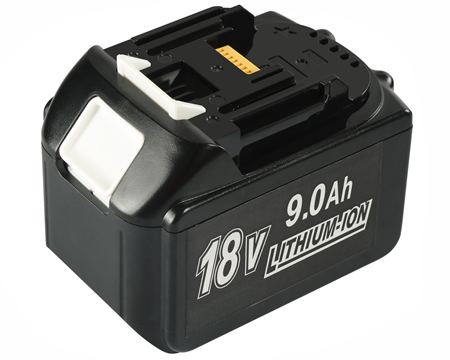
Once a pack no longer holds a useful charge, replacement beats any workaround. Browse a compatible aftermarket replacement battery pack matched to your model, and recycle the old cell at a proper drop-off. Every replacement is brand new and 100% compatible, with a 30-day money-back guarantee and a one-year warranty behind it.
Find the right replacement battery
Browse brand new compatible replacement batteries and chargers by model and leave a failing pack behind with confidence.
Frequently asked questions
Is a failing battery always defective?
Usually not. Rechargeable cells simply wear out as their chemistry ages over hundreds of cycles, and shorter runtime is the normal result. True defects are less common. Heat, deep drains, and the wrong charger can speed the decline, but gradual capacity loss is expected for a consumable part.
Can a wrong charger really ruin a pack?
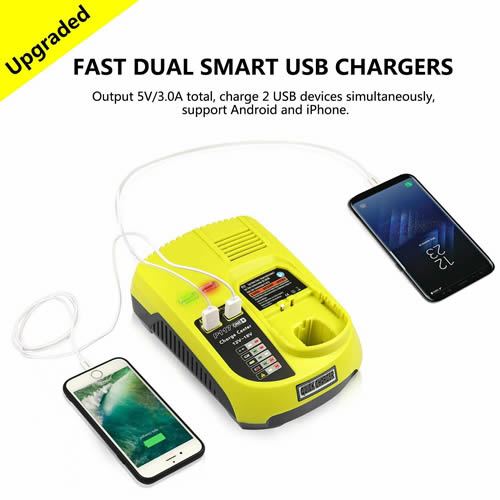
Yes. A charger with the wrong voltage or an incompatible design can push cells beyond their limits and overwhelm the protection electronics. Always use the charger meant for that device's voltage and chemistry. A pack that gets hot or swells during charging should be removed from service immediately.
What should I look for in a replacement?
Match the original voltage and part number, then favor fresh, well-matched cells and built-in protection circuitry. A brand new, 100% compatible pack with sound safeguards is far less likely to fail early. Check the compatibility notes before ordering, and ask our team through Contact Us if anything is unclear.

 Warehouse address: