


20V Max vs 18V Battery: What the Labels Mean
A 20V Max label and an 18V label usually describe the same battery, with one number measured at peak and the other under load. The 20V Max vs 18V battery difference is mostly marketing, which matters because matching your tool's voltage platform is what gets you the right replacement.
- 20V Max and 18V are two labels for the same nominal battery platform.
- Peak voltage is measured off the charger; nominal voltage is measured under load.
- Five 3.6 V Li-ion cells in series give about 18 V nominal.
- Match the voltage platform and part number, not the number on the box.
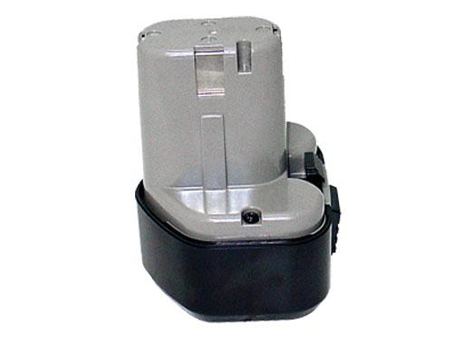
Two Numbers, One Battery
The confusion starts with how voltage is measured. A freshly charged Li-ion cell reads a little above its nominal rating, and that peak reading is what the Max label refers to. Put the tool to work and the voltage settles to the lower nominal figure that engineers actually design around. Nothing inside the pack changes in that moment; only the point at which someone chose to measure it does.
Think of it like a car tire rated at its maximum pressure versus the pressure it runs at on the highway. Both describe the same tire. A cordless drill battery marketed as 20V Max and one sold as 18V are built from the same cells and deliver the same working voltage, which is why tool makers can use either name for a single platform.

Where the Numbers Come From
A single Li-ion cell sits around 3.6 V nominal and roughly 4 V at full charge. Wire five of them in series and you get about 18 V nominal, or about 20 V when every cell is topped off. That is the whole trick. The same naming pattern shows up on other platforms too, where a Max figure is simply the sum of the peak cell voltages.
Voltage is a measure of electrical potential, not a promise of stored energy. Capacity, measured in amp hours, and the cell quality inside the pack do far more to decide how long a charge lasts. So two packs with the same voltage label can still differ in runtime, which is worth remembering the next time you compare listings.
What This Means When You Buy
When you shop for a replacement power tool battery, the useful number is the platform your tool and charger were built for, not the biggest word on the label. Check the model plate on the tool or the part number on the old pack, then choose a pack listed for that same system. A matched Li-ion battery pack will seat, charge, and communicate with the tool's electronics correctly.
Mixing families is where people get into trouble, since a higher Max number does not make a pack fit a different tool. Brand and model names on our pages describe compatibility only. If the numbers on your old pack are worn, our Battery Guides and Contact Us team can help you confirm the right voltage before you spend anything.

A Quick Answer Before You Order
So no, a 20V Max pack is not meaningfully more powerful than an 18V one of the same platform. Treat the two labels as the same class of cordless drill battery and focus on voltage compatibility, capacity, and fresh cells. Every pack we sell is a brand new, 100% compatible aftermarket replacement with a 30-day money-back guarantee and a one-year warranty.
Find the right replacement battery
Find the cordless drill battery or charger matched to your tool's voltage platform and order with a clear guarantee.
Frequently asked questions
Is 20V Max stronger than 18V?
Not in any way you would feel. The Max figure is the peak voltage straight off the charger, while 18V is the nominal working voltage. Both describe the same Li-ion battery pack, so a higher label does not mean more torque or longer runtime.
Can I use a 20V Max pack on an 18V tool?
If both belong to the same tool platform, usually yes, because the underlying pack is the same. What you should never do is assume a bigger number fits a different brand or family. Match the part number and the original charger voltage, then confirm with our team if the label is unclear.
Why do brands use two different names?
It is mostly a marketing choice, since the peak number sounds bigger on a shelf. Engineers work from the nominal voltage, which is the steady figure under load. Knowing that helps you compare packs by capacity and cell quality instead of by a sticker.
Related reading
Last reviewed by the batteries-company.com editorial team. Brand and model names are used to describe compatibility only; replacement packs are aftermarket products.
Editorial source: Q&A Collection 042 — “Is a 20V Max more Powerful than 18V?” (FAQ #136). See the full collection-to-article map.

 Warehouse address: