


What Premature Voltage Cut Off Really Means
Premature voltage cut off is when a device stops before the pack is empty, because voltage sags under a sudden load. For a US shopper asking why does my device say low battery when it still has charge, the cause is usually the device, not the cell.
- Cut off is the device quitting before the pack is fully drained.
- A sudden current draw makes pack voltage dip for a moment.
- Warm conditions and higher internal resistance make the dip worse.
- Low resistance cells hold voltage better under sudden heavy loads.
A Plain Definition With an Example
Every device watches pack voltage and shuts down at a set threshold to protect the cells. Sometimes it reaches that threshold early. Imagine a handheld that shows a low battery warning and powers off during a demanding task, then reads as partly charged again when you check it later. The energy was still there; the voltage just dipped below the cutoff for an instant.
That dip is called voltage sag. A device that draws power in quick bursts, like one waking a bright screen or a radio, tends to trigger it more than steady analog gear. It is mostly an equipment behavior, shaped by where the cutoff is set and how the load hits the pack, rather than a sign that the battery is defective.

Why Voltage Sags Under Load
A cell has internal resistance, so drawing current makes its terminal voltage drop below its resting voltage. Warm temperatures and an aged cell raise that resistance, which deepens the sag. When a device asks for a burst of current, the combination can push voltage under the cutoff even though plenty of capacity remains. Once the load eases, voltage recovers.
This is why the problem shows up in some devices and not others. A tool that pulls hard and a gadget set to a conservative cutoff will cut out sooner than gentle equipment. It also explains why the same pack can seem fine in one device and weak in another, which is confusing but perfectly normal physics.
How Cell Quality Changes the Outcome
A well built Li-ion battery pack with low internal resistance holds its voltage better when a load hits, so the device stays above the cutoff longer and uses more of the stored energy. Matched cells and a clean protection circuit help here. Cheap or worn cells sag further and trigger the early shutdown more often, which feels like short runtime.
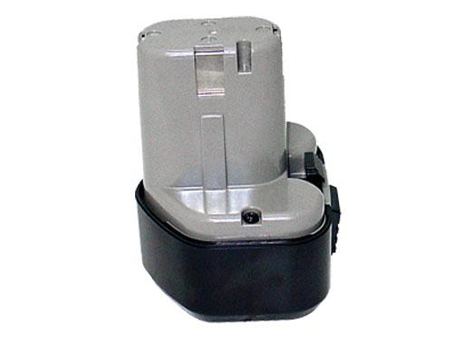
This connects directly to buying a replacement power tool battery. A higher capacity rating means little if the cells collapse under a heavy cut, so look for consistent cell quality and a correct compatibility match. A fresh aftermarket replacement battery pack with sound cells often restores the behavior a tired original had lost.
What to Do About It
If a device quits early, first rule out a genuinely worn pack by testing a fresh, fully charged one. Warm gear should be allowed to cool before heavy use. If a new pack still cuts off early, the device threshold is likely the cause, and our Battery FAQs and Contact Us pages can help you sort out the fit.
Find the right replacement battery
Choose a well built replacement battery pack that holds voltage under load and keeps your device running longer.
Frequently asked questions
Is premature cut off a battery defect?
Usually not. It is mostly about where the device sets its shutdown voltage and how a current burst makes the pack voltage sag. A healthy cell can still trigger it. Testing with a fresh, fully charged pack is the simplest way to tell equipment behavior from a worn cell.
Can a new pack fix early shutdown?
Often yes, if the old cells had aged and their internal resistance had climbed. A fresh, well matched Li-ion battery pack holds voltage better under load and lets the device use more of its charge. If a new pack still cuts off early, the device threshold is the likely reason.
Does heat make it worse?
It can. Warm conditions raise internal resistance and deepen the voltage dip under load, so a device may cut off sooner on a hot day. Let the pack cool before demanding work and store it in a cool, dry place. The effect is usually temporary once temperatures drop.

 Warehouse address: