

What Elevated Self Discharge Means for Your Battery
Every battery slowly loses charge on its own, and that trickle grows with heat and age. When a pack can no longer hold a useful charge between uses, a fresh compatible replacement is the practical answer.
- All batteries self discharge a little even when left disconnected on a shelf.
- Nickel based cells lose charge faster than lithium based ones.
- Warm storage and age both increase the rate of self discharge.
- A pack that drains itself quickly is usually ready for replacement.
The Quiet Drain Nobody Sees
Self discharge is the slow, natural loss of charge inside a battery that happens even when nothing is switched on. It is chemistry, not a faulty device. Nickel based cells tend to lose a noticeable share soon after charging and keep trickling down afterward, while lithium based packs hold their charge far better over the same period.
If you have been asking why does my battery lose charge when not in use, that internal trickle is the everyday explanation. It also explains why a spare pack pulled from a drawer after a few weeks is never quite as full as you left it. A small loss is normal; a pack that empties itself in a day or two is telling you something else.

Heat, Age, and a One Way Street
Two things make self discharge worse. Higher temperatures speed up the internal reactions behind the loss, so a pack stored in a hot car or near a sunny window fades faster than one kept cool. Age and repeated charge cycles matter too, since the cell's internal resistance climbs over time and the chemistry grows less efficient at holding energy.
Once a battery shows clearly elevated self discharge, there is very little that reverses it. No charger setting or conditioning routine rebuilds a worn cell. That is useful to know, because it saves you from blaming the device or the outlet when the real issue is a pack that has simply reached the end of its useful life.
Storage Habits That Slow the Loss
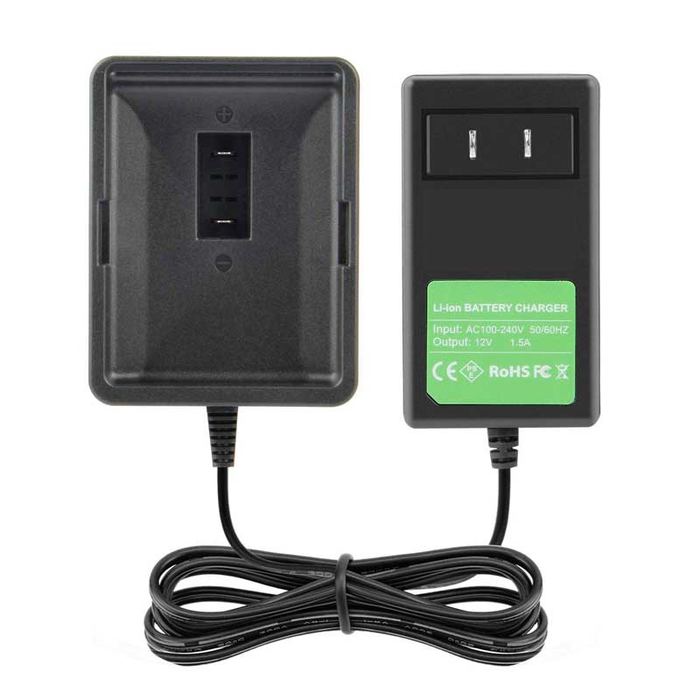
You cannot stop self discharge, but you can slow it. Keep spare packs in a cool, dry place rather than a hot garage or a windowsill, and store a lithium pack partly charged if it will sit for weeks. Use the charger meant for that device, and avoid leaving a pack connected indefinitely in a warm spot.
These steps are especially worth it for a replacement laptop battery or a cordless tool pack that rotates in and out of service. Label a spare with the date you charged it, and you will spot a fading pack early. Good storage is really just common sense applied consistently, and it adds months of reliable service.
When Replacement Makes Sense
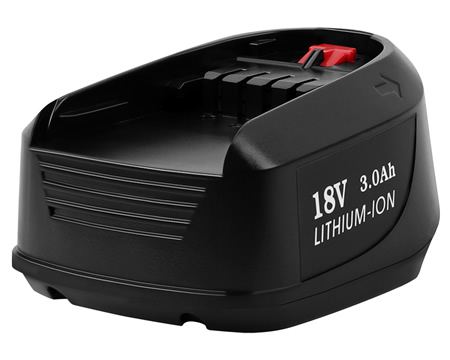
If a fully charged pack now loses most of its charge overnight, or a tool dies mid job, shop by device model for a fresh, correctly rated pack. A brand new compatible aftermarket replacement battery pack restores the runtime you remember and reports its level accurately again. Recycle the old cell at an electronics drop off, and keep the new one cool between uses.
Find the right replacement battery
Replace a pack that will not hold a charge with a compatible replacement laptop battery or tool battery, and get dependable runtime back.
Frequently asked questions
Is some self discharge normal for every battery?
Yes, every chemistry loses a little charge over time even when disconnected. Nickel based cells lose it faster than lithium based ones, and heat raises the rate for both. A small drop after a few weeks is expected; a pack emptying itself overnight is not.
Can I fix a battery that drains itself?
Usually not. Elevated self discharge comes from age and internal changes that charging routines cannot undo. Once a pack can no longer hold a useful charge between uses, replacing it by device model is the sensible move. A fresh pack restores both runtime and an accurate charge reading.
Does heat really make that much difference?
It does. Warm storage speeds up the reactions behind charge loss, so a pack kept in a hot car fades faster than one in a cool room. Keep spares somewhere dry and moderate, partly charged for long storage, and avoid leaving them on a charger in the heat.
Related reading
Last reviewed by the batteries-company.com editorial team. Brand and model names are used to describe compatibility only; replacement packs are aftermarket products.
Editorial source: Q&A Collection 107 — “What is Elevated Self-Discharge” (FAQ #64). See the full collection-to-article map.

 Warehouse address: