


How Rechargeable Batteries Are Recycled in the US
Old rechargeable packs belong at a local battery drop-off, not the household trash; tape the contacts first. If you have wondered how are rechargeable batteries recycled in the US, the short version is sorting by chemistry, recovering the metals and plastics, and keeping the rest out of a landfill.
- Tape the contacts on an old pack so it cannot short in a collection bin.
- Recyclers sort batteries by chemistry before separating metals, plastics, and electrolyte.
- Lead-acid car batteries are among the most recycled consumer products in the country.
- Lithium packs need specialized handling, so use a designated battery drop-off.

Why Bother Recycling a Dead Pack
A spent battery is not really empty. It still contains metals, plastics, and chemical compounds that are worth recovering, and tossing it in the trash puts all of that in a landfill where it does no one any good. Lithium packs also deserve a little respect, since a damaged or shorted cell can be a fire risk in a garbage truck. A quick drop-off is the responsible last step.
Start at home. Tape over the contacts with a piece of electrical tape, or drop each pack in its own small bag, so a loose terminal cannot touch metal in the bin. Look for a household hazardous waste site, a municipal collection event, or a retail battery drop-off. Rules vary by city, so a quick check of your local waste page saves a wasted trip.
What Happens at the Recycling Center
The first job is sorting, because different chemistries cannot be processed together. Lead-acid car batteries follow one stream, NiCad and NiMH another, and lithium packs a third that needs careful handling. Once sorted, packs are broken open and their components are separated: the outer plastics go to a plastics recycler, while the metal-bearing parts are sent on for refining back into usable material.
Lead-acid batteries are the quiet success story of American recycling, with their lead, plastic cases, and acid all going somewhere useful after the acid is neutralized. Lithium packs are newer to the system, so they are usually stabilized and sent to specialized facilities that recover the valuable metals. The point is the same either way: very little of a battery needs to be thrown away.
Safe Handling While You Wait
Store retired packs in a cool, dry place out of direct sun, and keep them away from anything metal that could bridge the terminals. Do not crush, puncture, or pull a pack apart to see what is inside; the cells are the recycler's job, not a weekend project. If a pack is swollen, hot, or leaking, set it somewhere nonflammable and ask your drop-off site how they want it handled.
Ground shipping is the normal route for lithium packs under US DOT rules, and air shipment of lithium batteries is heavily regulated, so a local drop-off is almost always easier than mailing an old cell somewhere. Keep that in mind if a take-back program is your only option. A short drive to a collection point is usually the simplest answer.
Close the Loop With a Fresh Pack
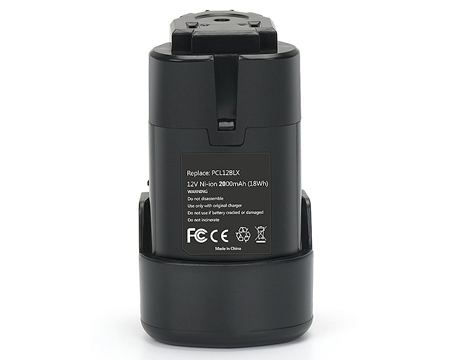
Once the old cell is at a recycler, the question is what replaces it. A pack that no longer holds a charge is telling you its charge cycles are used up, not that the tool is finished. Every pack we sell is a brand new, 100% compatible aftermarket replacement with a 30-day money-back guarantee and a one-year warranty. Check the part number and start fresh.
Find the right replacement battery
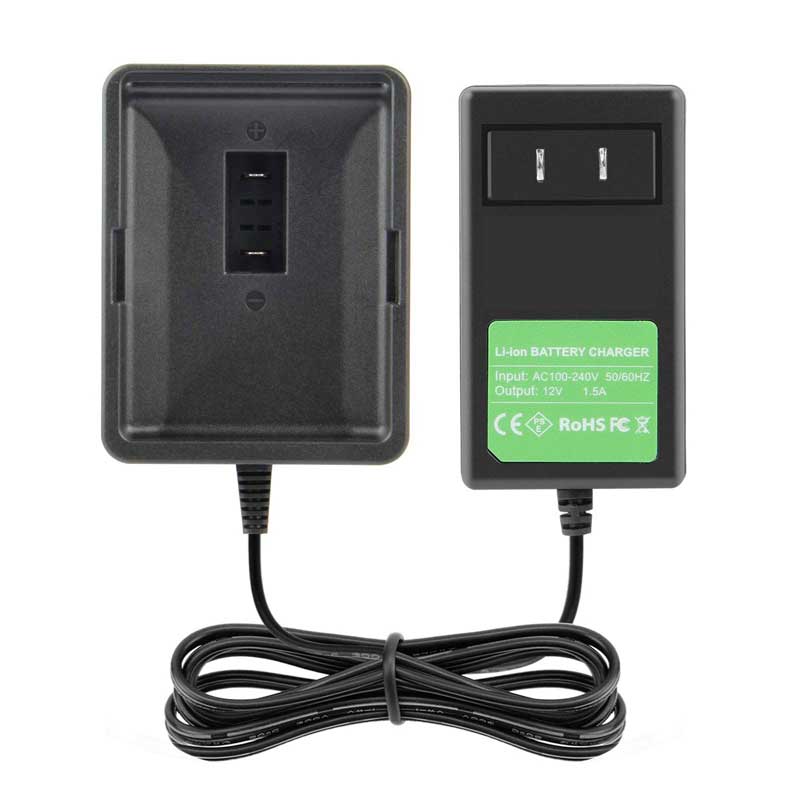
Browse a brand new compatible replacement battery or charger and recycle the old pack the same week.
Frequently asked questions
Can I put a battery in the household trash?
It is a bad idea for rechargeable packs. They still hold recoverable metals and chemicals, and a shorted lithium cell can cause a fire in a collection truck. Tape the contacts, bag the pack separately, and use a local battery drop-off or a household hazardous waste site instead.
What should I do with a swollen pack?
Handle it as little as possible. Do not charge, crush, or puncture it, and keep it away from anything flammable. Set it on a nonflammable surface, then call your local drop-off or hazardous waste site and ask how they accept damaged lithium cells before you transport it.
Are car batteries recycled the same way?
They follow their own well-established stream, which is why lead-acid batteries are among the most recycled products around. The cases, lead plates, and acid are separated, with the acid neutralized before anything is released. Lithium packs are newer and go to specialized facilities instead, so sort them separately at drop-off.
Related reading
Last reviewed by the batteries-company.com editorial team. Brand and model names are used to describe compatibility only; replacement packs are aftermarket products.
Editorial source: Q&A Collection 098 — “How are batteries recycled” (FAQ #56). See the full collection-to-article map.

 Warehouse address: