


How Long Will a Replacement Battery Last
There is no fixed number, because runtime depends on chemistry, capacity, and workload, but a healthy pack fades gradually over many charge cycles instead of dying suddenly. For a US shopper, knowing that decline is normal separates a planned replacement from needlessly returning a good battery.
- A charge cycle is one full drain from full to empty and back to full.
- Runtime shrinks gradually with use; a slow fade is normal, not a defect.
- Heat, deep discharge, and constant fast charging all shorten a pack's useful life.
- Replace the battery when a full charge no longer finishes a normal job.
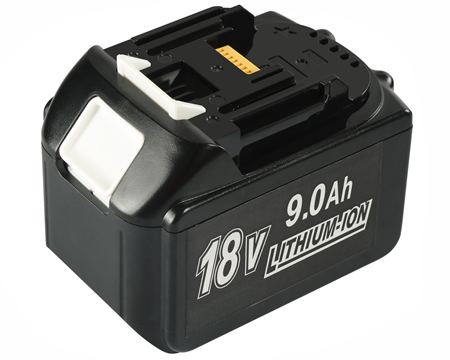
What a Charge Cycle Actually Means
If you have been searching for what is the average lifespan of a cordless drill battery, start with the idea of a charge cycle. One cycle means drawing a full pack down to empty and recharging it to 100 percent. Partial top-ups add up to a fraction of a cycle, so light daily use can count as far less than a full cycle each day.
Because a cycle is measured this way, two owners can get different service from the same pack. A contractor who drains a battery every afternoon logs far more cycles in a year than a homeowner who tops up after light weekend projects. Capacity, measured in amp-hours, also sets how much work fits into each charge, so a higher-capacity Li-ion battery pack naturally goes longer between trips to the charger.

Why Runtime Fades Instead of Stopping
Inside every rechargeable cell, the chemistry that stores energy slowly wears down with each cycle, so the pack holds a little less charge over time. You notice it as shorter runtime rather than a sudden failure: a tool that once finished a full shift now needs a swap by mid-afternoon. This gradual decline is normal behavior for the technology, not a sign that the battery is faulty.
Different chemistries age at different rates, which is why an older NiCad or NiMH pack behaves unlike a modern lithium pack. Lithium cells have no memory effect, so you do not need to fully drain them before recharging. Cold weather also trims runtime temporarily, and that dip reverses once the pack warms up.
Habits That Stretch a Pack's Service Life
Simple routines make a real difference. Store packs in a cool, dry place rather than a hot truck or a freezing garage, and avoid leaving a battery sitting fully drained for weeks. Use the charger designed for that voltage and let a hot pack cool before recharging. Moderate use and sensible storage keep the cells from working harder than they need to, which slows the gradual loss of capacity.
None of this stops aging forever, and no charging trick restores a worn cell to like-new condition. What good habits do is postpone the day runtime becomes inconvenient. When a spare pack starts making more sense than another charge, that is usually the right moment to look at a fresh replacement rather than fighting a tired battery.
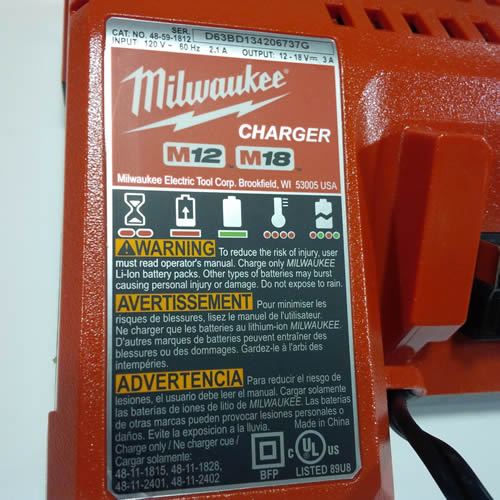
Knowing When to Order a Replacement
Judge a battery by the work it still gets through, not by its age. Once a full charge no longer covers a normal session, a new replacement power tool battery is the practical fix, and every pack we sell is brand new and 100% compatible with a 30-day money-back guarantee and a 1-year warranty. Matching your model and voltage first keeps the swap simple.
Find the right replacement battery
When runtime no longer covers your workday, browse a compatible replacement battery or charger matched to your exact tool model.
Frequently asked questions
How many charge cycles will I get?
That varies with chemistry, capacity, and how deeply you discharge the pack, so there is no fixed count worth promising. What matters is the trend: lithium packs deliver many useful cycles before runtime noticeably fades. Good storage and charging habits keep that trend gentle for as long as possible.
Does a shorter runtime mean a bad battery?
Usually no. A gradual decline is the normal result of the cell chemistry slowly wearing down, and it is exactly what a healthy pack does over time. A sudden collapse after only a few charges is different, and that is worth checking with our support team through the Contact Us page.
Should I fully drain the battery before charging?
For a modern lithium pack, no. Lithium cells have no memory effect, so routine partial charging is fine and often easier on the pack than repeated full drains. Reserve a full discharge for the occasional gauge calibration, and otherwise top up whenever it is convenient for your work.
Related reading
Last reviewed by the batteries-company.com editorial team. Brand and model names are used to describe compatibility only; replacement packs are aftermarket products.
Editorial source: Q&A Collection 089 — “How Long Will My Battery Last” (FAQ #48). See the full collection-to-article map.

 Warehouse address: