


Deep Cycling a Rechargeable Battery Pack
An occasional full discharge can help a new pack settle, but repeated deep cycling does more harm than good. For US shoppers, a couple of normal cycles calibrate the gauge, then everyday partial charging is the better habit.
- A few early cycles can bring new cells up to full capacity.
- Frequent full drains wear rechargeable packs out faster over time.
- Modern Li-ion cells do not need regular deep cycling at all.
- An occasional full discharge is gentler than constant deep drains.
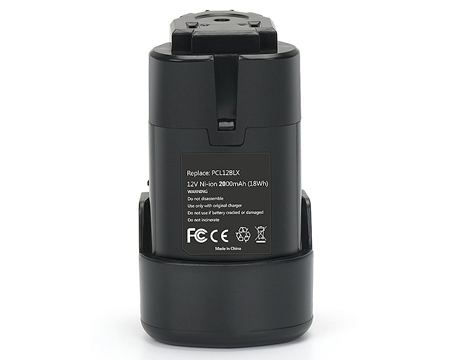
What deep cycling actually means
If you are asking do I need to deep cycle a new Li-ion battery, the short answer is that a little is fine and a lot is not. A deep cycle means charging a pack fully, running it down fully, and repeating, which some new cells use to reach their rated capacity. Two or three gentle cycles can also help the gauge learn where full and empty sit.
Brand new cells do not always deliver their full rated capacity straight out of the box, so a brief break-in period is normal and nothing to worry about. The electronics that report remaining charge also need a cycle or two to calibrate. After that, the pack should settle into steady, predictable runtime without any special routine.
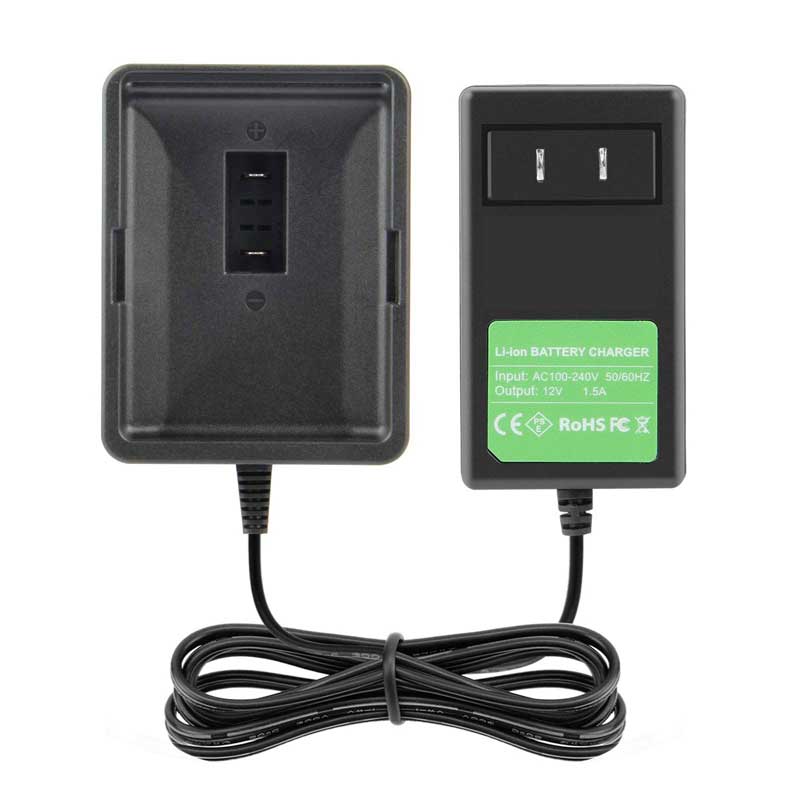
Why too much deep cycling backfires
Every rechargeable cell has a limited number of charge-discharge cycles, and a full drain uses one of them more aggressively than a partial top-up. Deep discharges also push the voltage lower, which stresses the chemistry and the protection circuitry over time. For a cordless drill battery that sees daily use, constant full drains can noticeably shorten its working life.
An occasional full discharge is reasonable, for example to recalibrate a gauge that has drifted, but it should be the exception rather than the rule. Most packs are happier with shallow, frequent charging. Treat deep cycling like a tune-up you almost never need, not a weekly habit.
A sensible routine for a new pack
When an aftermarket replacement battery pack first arrives, give it one complete charge, then use it normally and recharge when convenient. If you want to calibrate the gauge, a single full discharge followed by a full charge is enough. There is no need to repeat the process several times, and modern Li-ion cells have no memory effect that would demand it.
Older NiCad packs were the ones that benefited from regular full drains to fight memory effect, which is where this advice originally came from. NiMH and Li-ion chemistries behave differently and prefer gentler treatment. Matching the habit to the chemistry in your pack is the whole trick.
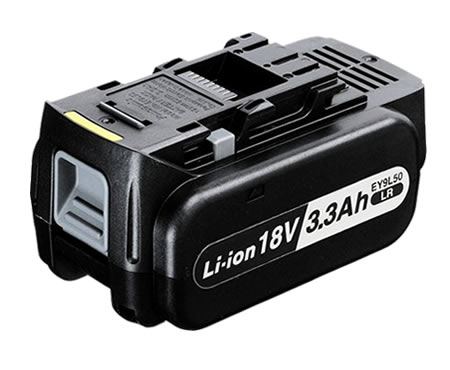
When to stop and replace instead
If a pack still delivers short runtime after a full charge and a normal break-in, deep cycling will not bring it back. At that point the cells have simply aged, and a brand new compatible pack is the practical answer. The Battery FAQs page covers more charging habits if you want to keep reading.
Find the right replacement battery
Find a compatible replacement battery and charger to restore steady runtime without any deep-cycling routine.
Frequently asked questions
How many deep cycles does a new battery need?
At most one or two gentle cycles if you want to calibrate the gauge, and often none at all. Modern Li-ion cells reach normal performance with ordinary use, so there is no benefit in repeating full drains several times.
Will deep cycling fix a battery that dies quickly?
Usually no, because short runtime after a full charge points to aged cells rather than a confused gauge. A single recalibration cycle may correct a misleading percentage, but it will not restore lost capacity, and a replacement pack is the honest fix.
Is partial charging bad for a Li-ion pack?
No, partial top-ups are generally gentler than full drains and fit well with daily use. Charge whenever it is convenient and keep the pack away from extreme heat, which is far harder on cells than an occasional shallow recharge.
Related reading
Last reviewed by the batteries-company.com editorial team. Brand and model names are used to describe compatibility only; replacement packs are aftermarket products.
Editorial source: Q&A Collection 086 — “Do I Have To Deep Cycle Charge My Battery” (FAQ #45). See the full collection-to-article map.

 Warehouse address: