


Can Rechargeable Batteries Be Recycled the Right Way
Yes, rechargeable packs are accepted at battery drop-off points and household hazardous waste programs across the US, and recycling keeps useful metals out of landfills. For a US shopper, it also closes the loop: retire the tired cell responsibly, then fit a fresh replacement battery and get back to work.
- Rechargeable packs belong at a battery recycling point, not in household trash.
- Tape the terminals of a spent lithium pack before storing or transporting it.
- Recyclers recover the casing, cells, and internal electronics for reuse.
- Recycle the old pack only after a compatible replacement is on hand.
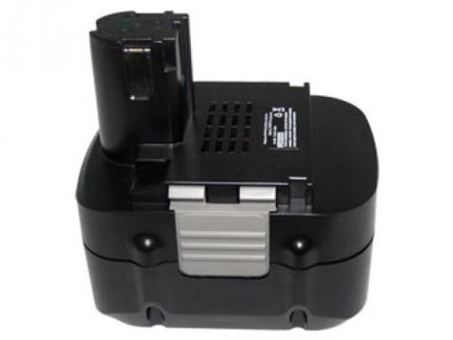
Why Recycling Rechargeable Packs Matters
A spent battery is not ordinary trash. Inside a typical pack you will find a plastic or metal casing and the cells that store energy. Each of those materials can be separated and recovered by a proper recycler, which keeps metals and chemicals out of a landfill. Dropping a pack in the household bin wastes those materials and, for lithium packs, can create a fire risk in collection trucks.
Rechargeable chemistry makes recycling especially worthwhile because the cells contain materials worth recovering rather than throwing away. NiCad, NiMH, and Li-ion packs all qualify, though local programs may sort them differently. Lithium packs in particular deserve careful handling, since a damaged or shorted cell can get hot. That is also why lithium batteries normally move by ground surface transport under US DOT rules rather than by air.

Where to Take Old Batteries in the US
If you have typed where can I recycle old rechargeable batteries near me, the answer is usually closer than you think. Many municipal household hazardous waste sites, electronics retailers, and dedicated battery drop-off bins accept spent packs. Check your city or county waste website for locations and hours before you load up the car, because accepted chemistries and quantity limits vary from one site to another.
Retail take-back bins are convenient for a handful of packs, while county facilities usually handle larger batches. Either way, keep the old battery in a cool, dry place until drop-off and never toss it loose into a bin with metal objects. A quick phone call or web check confirms the site is still accepting batteries that week.
How to Prep a Pack for Drop-Off
A few minutes of prep makes the handoff safer. Let a Li-ion battery pack cool, then cover the exposed terminals with clear tape or cap them so the contacts cannot touch anything metal in transit. Leave the pack intact rather than prying it open, since a damaged cell can leak or heat up. Slip it into a non-metal bag, and label it if your local program asks you to.
If a pack is swollen, cracked, or smells unusual, set it apart and tell the drop-off staff rather than burying it in a bag with the rest. Different chemistries also travel differently, so it helps to keep NiCad, NiMH, and lithium packs grouped separately. Safe handling at home is the first step of responsible recycling.
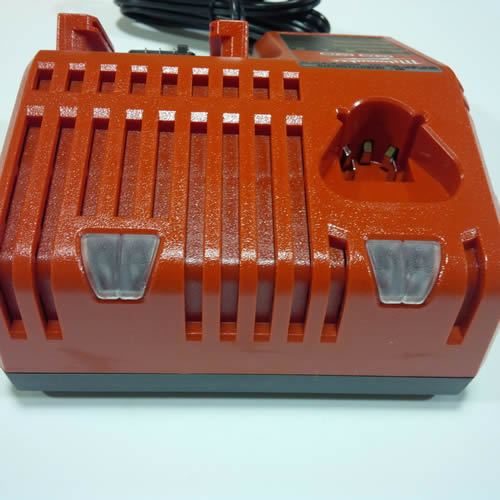
Retire the Old Pack, Fit a New One
Recycling is easiest when the replacement is sorted out. Once a full charge no longer finishes a normal job, a fresh cordless drill battery is the practical answer, and every pack we sell is brand new and 100% compatible with a 30-day money-back guarantee and a 1-year warranty. Confirm your model and part number, then recycle the tired pack once the new one arrives.
Find the right replacement battery
When a pack is past its prime, browse a compatible replacement battery or charger for your model and recycle the old one responsibly.
Frequently asked questions
Can I throw rechargeable batteries in the trash?
It is better not to. Rechargeable packs hold recoverable metals and, in the case of lithium, can spark a fire if crushed in a collection truck. A municipal hazardous waste site or a retail battery bin is the right destination, and most areas offer at least one convenient option.
Do I need to remove the battery from the device?
Yes, if you can do so safely. Take the pack out, tape the terminals, and keep the device itself for normal electronics recycling if it is no longer useful. If the battery is glued in or looks damaged, leave it in place and let the recycling staff handle the removal instead of forcing it.
Should I recycle a battery that still works?
If it holds a useful charge, keep using it or pass it along; recycling is for packs that are truly worn out. Once runtime drops below what a normal session needs, order a compatible replacement battery first, then retire the old one so you are never left without a working pack.
Related reading
Last reviewed by the batteries-company.com editorial team. Brand and model names are used to describe compatibility only; replacement packs are aftermarket products.
Editorial source: Q&A Collection 097 — “Can batteries be recycled” (FAQ #55). See the full collection-to-article map.

 Warehouse address: