


How Long Do Replacement Batteries Really Last
Battery life is measured in charge cycles, not calendar years, so daily use wears a pack faster than weekly use. If you have ever typed how long do replacement batteries last into a search bar, that is the answer that sets a realistic expectation before you buy.
- A charge cycle is one full drain and recharge, not every time you plug in.
- Li-ion packs commonly manage a few hundred full cycles before capacity fades.
- NiMH can offer more cycles but loses charge faster sitting on a shelf.
- Deep daily discharges and heat shorten life more than gentle, partial charging.
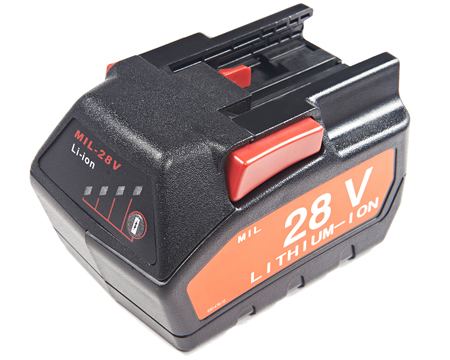
Charge Cycles, Not Calendar Years
A charge cycle means using the equivalent of a full capacity, from full to empty and back, even if that happens across several partial top-ups. Every rechargeable chemistry has a rough cycle budget. Li-ion packs are commonly good for a few hundred full cycles before capacity noticeably drops, while NiMH cells can often stretch further on paper. Neither number is a promise, because heat and deep discharge move the goalposts.
Here is the practical version. Charge a pack from nearly empty to full every single day and you will start thinking about a replacement within roughly a year. Use the same pack lightly and recharge once a week and that same cycle budget spreads across years instead. The cells do not care what month it is; they only count how much energy has moved through them.
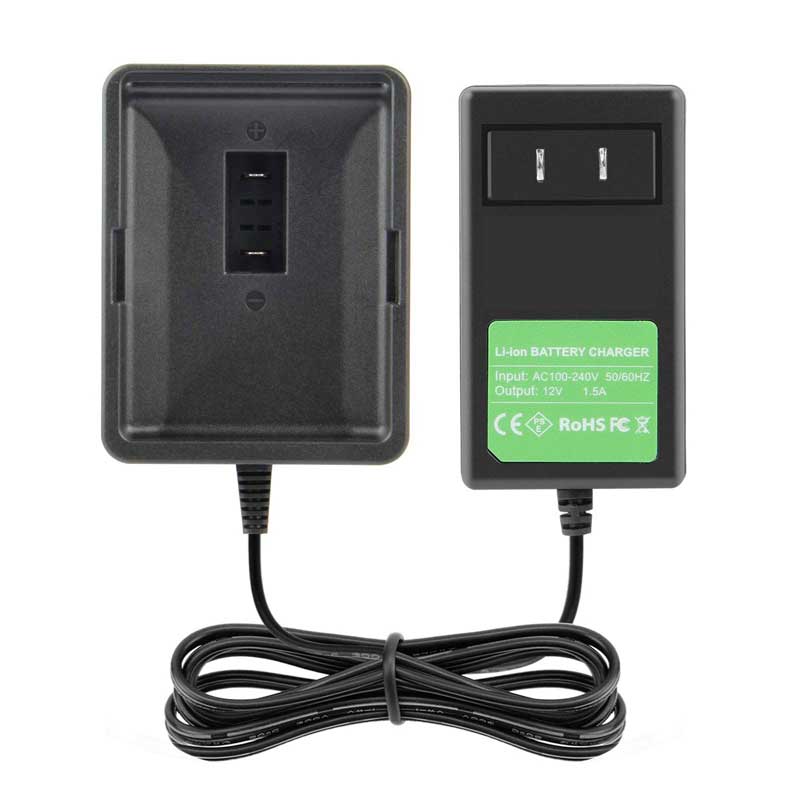
Why Chemistry Changes the Answer
More cycles does not automatically mean a better battery. NiMH cells may tolerate more recharges, but they self-discharge fairly quickly, so a tool pulled off the shelf after a month can feel flat. Li-ion loses charge far more slowly in storage and tends to be more forgiving as it ages, which is why it suits most cordless drill battery applications. Judge a pack by how it behaves.
As any cell ages, its internal resistance climbs and it holds a little less usable energy. That is normal chemistry, not a defect. The sign that matters is runtime: when a full charge no longer gets you through a normal job, the pack is telling you its useful life is winding down rather than asking for one more cycle.
Habits That Stretch a Pack's Life
A few small habits add up. Avoid running a Li-ion pack all the way to empty on every job, since shallow discharges are easier on the cells. Let a hot pack cool before charging, and keep it off a sunny dashboard or a freezing garage shelf. Store it partly charged if it will sit for more than a month, and top it up before the next use.
Use the charger that matches the pack's voltage and chemistry, and do not leave a battery baking on a faulty dock. Warmth during a normal charge is expected; real heat is not. These steps will not make a cell immortal, but they keep a new pack near its best runtime for longer, which is the whole point of buying fresh.
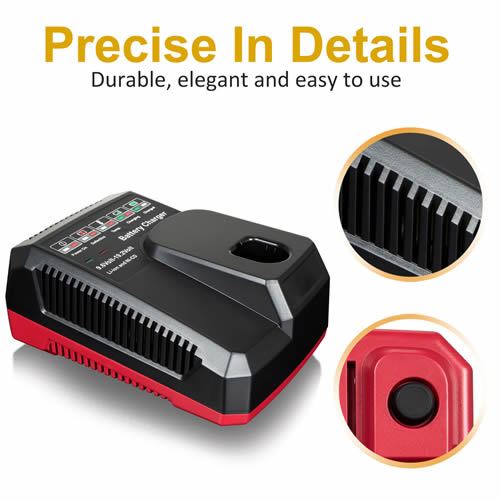
Knowing When to Replace
Once runtime is clearly shorter and a full charge no longer recovers it, a replacement power tool battery is the sensible move. Every pack we sell is a brand new, 100% compatible aftermarket replacement backed by a 30-day money-back guarantee and a one-year warranty. Check the part number on your old pack, and our Battery FAQs can help if that number has rubbed off.
Find the right replacement battery
Browse a brand new replacement power tool battery or charger matched to your tool and put the runtime back where it belongs.
Frequently asked questions
Does a partial charge count as a cycle?
Only as a fraction of one. A cycle is the equivalent of a full discharge and recharge, so two half-used top-ups add up to a single cycle. That is why gentle, partial charging is easier on a Li-ion pack than draining it completely every time.
Should I drain a new battery fully to condition it?
That advice belongs to older NiCad cells, not modern Li-ion packs. A new pack does best with a full first charge and normal use afterward. Repeated deep discharges do more harm than good, so skip the conditioning ritual and simply charge it before the first job.
Is NiMH or Li-ion better for me?
For most tools, Li-ion wins because it holds a charge in storage and weighs less for the same runtime. NiMH can be a fine, sturdy choice where a tool was designed for it. The safest rule is to match the chemistry your original charger expects rather than switching types.
Related reading
Last reviewed by the batteries-company.com editorial team. Brand and model names are used to describe compatibility only; replacement packs are aftermarket products.
Editorial source: Q&A Collection 050 — “How long do your batteries last?” (FAQ #143). See the full collection-to-article map.

 Warehouse address: