


How to Get More Life From a Replacement Battery
A few steady habits, like avoiding heat, keeping contacts clean, and not storing a pack fully drained, will extend the life of a cordless drill battery. For a US shopper learning how to make a cordless drill battery last longer, the payoff is fewer charges and fewer early replacements.
- Heat is the single biggest enemy of Li-ion pack longevity.
- Clean contacts keep a solid connection between pack and tool.
- Store a pack partly charged in a cool, dry place.
- When runtime falls off for good, a replacement is the answer.

Charging Habits That Actually Help
Modern Li-ion packs do not need a long break in, and they do not suffer from the memory effect that older NiCad and NiMH cells did. Give a new pack a full charge before its first real job, then top it up as needed. Partial charges are fine. What hurts is repeated deep discharge and leaving a pack flat for weeks, which can push a cell below a safe voltage.
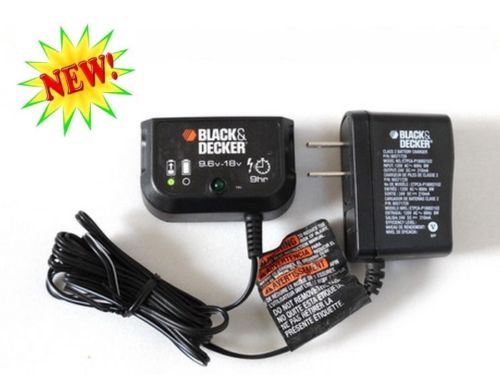
Use the power tool battery charger listed for your platform and let a hot pack cool before charging. Charging a battery straight off a job in the summer sun adds stress. A steady routine of moderate charges and cool downs does more for longevity than any special conditioning trick you may have heard about.
Clean Contacts and a Healthy Connection
Dust and grime on the contacts add resistance, which makes a pack feel weaker than it is. Now and then, wipe the battery and tool contacts with a clean, dry cloth or a swab lightly dampened with isopropyl alcohol, and let everything dry before use. A good connection means full power reaches the motor and the charger reads the pack correctly.
While you are at it, check the housing for cracks and the vents for debris. Keep metal objects away from exposed terminals when a pack is loose in a toolbox. A few minutes of cleaning every so often is cheap insurance, and it helps you tell a genuinely aging cell from a simple dirty contact.
Storage, Temperature, and Exercise
If a pack will sit for a month or more, store it partly charged in a cool, dry place away from heat and metal objects. Do not leave a cordless drill battery in a hot truck or on a sunny bench. Try to use and recharge every spare pack periodically, since a cell left idle for months can drift into a low state that is hard to recover.
Temperature matters on the job too. Cold reduces usable runtime temporarily, while sustained heat ages cells permanently. Let a cold pack warm to room temperature before charging. These are small adjustments, but together they keep capacity steady across many charge cycles instead of fading after one season.
Knowing When to Replace Instead
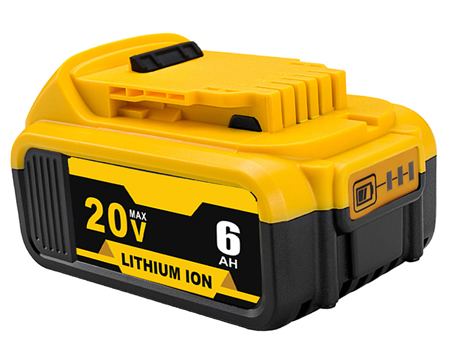
No care routine restores a cell that has simply worn out. When a fully charged pack still quits after a few minutes, swells, or will not reach full, a brand new aftermarket replacement battery pack is the sensible choice. Our packs are 100% compatible and backed by a one year warranty, and the Battery Guides pages cover more care basics.
Find the right replacement battery
Put these care tips to work and browse our replacement power tool batteries when a pack is ready to retire.
Frequently asked questions
Should I fully drain a new Li-ion pack?
No. Unlike older NiCad cells, a Li-ion pack does not need full discharge cycles to reach capacity and does not have a memory effect. A full first charge is enough, then top up as you work. Repeated deep discharges actually shorten the life of the cells.
Is it bad to leave a battery on the charger?
A quality charger stops at full, so an occasional overnight charge is generally fine for a healthy pack. What you want to avoid is long term storage in a hot place while plugged in. For a pack you will not use for a while, store it partly charged and cool.
Why does my pack die faster in winter?
Cold slows the chemistry inside a Li-ion battery pack, so usable runtime drops until the cells warm up. That loss is usually temporary, not permanent damage. Let the pack reach room temperature before charging, and keep a spare warm and ready for cold job sites.
Related reading
Last reviewed by the batteries-company.com editorial team. Brand and model names are used to describe compatibility only; replacement packs are aftermarket products.
Editorial source: Q&A Collection 084 — “How Can I Maximize Battery Performance” (FAQ #43). See the full collection-to-article map.

 Warehouse address: