

What a Cell Pack Is and Why It Matters
A cell pack is the group of cells, housing, and electronics that actually stores and manages energy inside a battery. Understanding it helps a US shopper judge the quality of a replacement pack, not just its shape.
- A cell pack bundles matched cells, a housing, and control electronics.
- Chemistry sets how the pack is designed and how it ages.
- Smart battery electronics report charge level and help protect the cells.
- Cell quality and safety circuitry separate a good pack from a poor one.
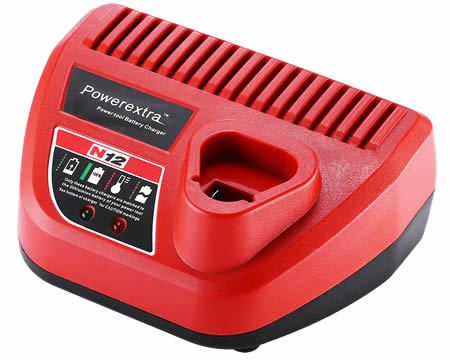
The Heart Inside the Case
Think of the individual cell as the place where the battery's chemical energy lives. A cell pack is the organized group of those cells, wired together and wrapped in a housing with the electronics that manage them. It is the part that determines how much power the battery holds, how quickly it can deliver it, and how safely it behaves across hundreds of charge cycles.
If you have been asking what is a cell pack in a laptop battery, this is the layer between a bare cell and the finished battery you slide into the computer. Designers choose the chemistry, the series and parallel arrangement, and the protection circuitry together. Get any of those wrong and the pack may fit the slot yet still fall short on runtime or reliability.

Chemistry and Smart Electronics
The chemistry sets the ground rules. NiCad, NiMH, and Li-ion cells each have their own voltage, cycle life, and behavior under load or temperature, so a cell pack has to be built around the traits of the chosen type. Lithium packs in particular rely on protection circuits to manage charging and help guard against overcharge, deep discharge, and shorts.
Many modern packs also carry smart battery electronics that report charge level and health to the device. That is why a well made replacement reads correctly on the gauge instead of guessing. Cell quality matters here too, because mismatched cells wear unevenly and drag the whole pack down. For example, a laptop often reports sensible runtime again after a tired pack is swapped out.
Reading a Replacement With This in Mind
When you shop for a replacement laptop battery, the visible shell tells you very little about the cell pack inside. Voltage and capacity on the label hint at the arrangement, but build quality, matched cells, and sound safety circuitry are what make a pack last. That is why buying by device model from a seller who describes compatibility clearly is more useful than judging a pack by its photo alone.
A brand new compatible aftermarket replacement battery pack already has the right chemistry, arrangement, and electronics for your device. Your job is simply to confirm the model and part number. Understanding the cell pack just helps you recognize why a properly specified pack charges evenly and holds its rated runtime, while a poorly made one fades early.
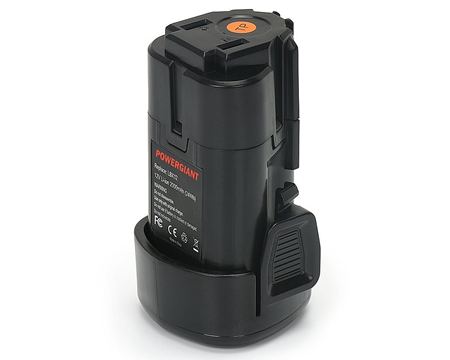
A Small Concept With Practical Payoff
You will never need to assemble a cell pack yourself, but knowing what it is changes how you read a product page. Look for a clear model match, the right voltage, and a seller who stands behind the pack with a stated warranty. That is the practical version of battery education, and it ends with a battery that simply works.
Find the right replacement battery
Choose a compatible replacement laptop battery built around a quality cell pack, and order the right fit for your device.
Frequently asked questions
Is a cell pack the same as a battery?
Not quite. The cell pack is the internal group of cells, wiring, and electronics that stores and manages energy, while the battery is the finished unit you hold. Understanding the cell pack explains why two batteries with the same shape can perform very differently.
Why do smart electronics matter?
They report charge level and health to the device and help manage charging safely. Without them, a gauge can read wrong or a pack can be pushed beyond its limits. A well built replacement includes that circuitry, which is one reason model matched packs behave like the original.
How does this help me choose a replacement?
It reminds you to look past the outer shell. Confirm the device model, voltage, and part number, and buy from a seller who describes compatibility clearly. A correctly specified pack already has the right chemistry, cell arrangement, and protection built in.
Related reading
Last reviewed by the batteries-company.com editorial team. Brand and model names are used to describe compatibility only; replacement packs are aftermarket products.
Editorial source: Q&A Collection 115 — “What is a cell pack” (FAQ #71). See the full collection-to-article map.

 Warehouse address: