


What a Battery Is and How It Works
A battery stores chemical energy and releases it as direct-current electricity through a reaction between two electrodes and an electrolyte. If you landed here after typing what is a battery and how does it work, it helps a US buyer read any replacement listing with confidence.
- A battery converts stored chemical energy into electrical energy on demand.
- Two electrodes and an electrolyte drive a reaction that pushes electrons through a circuit.
- One unit is a cell; a pack wires several cells together for more voltage or capacity.
- Voltage, capacity, and chemistry are the three numbers to match on a replacement.

Chemical Energy, Electrical Output
At its core a battery is a small chemical reactor with a useful output. Inside are two electrodes separated by a substance called an electrolyte. A reaction at one electrode frees electrons, and those electrons travel through whatever device you have connected before returning to the other electrode. That steady one-way flow is direct current, which is what a tool or laptop actually runs on.
Nothing is being created from nothing. The battery is simply moving energy that was stored in its chemicals into a form your device can use, and the reaction slows as the reactants are used up. Recharging pushes the chemistry back the other way in a rechargeable cell, which is why a pack can be cycled hundreds of times before it wears out.

From One Cell to a Full Pack
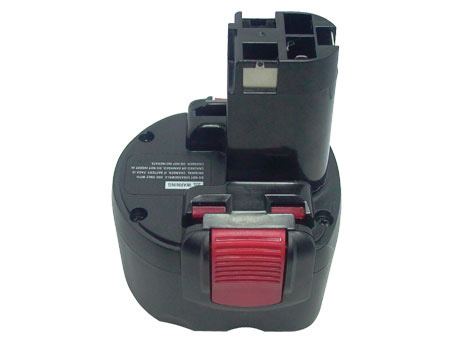
A single pair of electrodes and its electrolyte makes one cell, and a cell has a fixed voltage set by its chemistry, roughly 3.6 V for a common Li-ion cell. To get more, manufacturers wire cells together. In series, voltages add up; in parallel, capacity adds up. A cordless drill battery pack, for example, stacks several cells in series to reach the 18 V class its motor expects.
This is why a small GPS cell and a big tool pack can share the same basic chemistry yet behave so differently. The cell count decides the voltage, and the size and number of cells decide how long a charge lasts. Once you see a pack as a team of cells, the numbers on a label start to make sense.
The Numbers That Actually Matter
Three figures are worth reading on any pack: voltage, capacity, and chemistry. Voltage has to match what the tool and charger expect. Capacity, in amp hours or milliamp hours, tells you how much energy is on board and therefore how long a charge tends to last. Chemistry, such as Li-ion or NiMH, decides the charging behavior and how the pack ages in storage.
A concrete example helps. Two packs can share a voltage label yet deliver very different runtime because one holds more capacity, and a NiMH pack will self-discharge faster on a shelf than a Li-ion one. Those differences, not the shape of the case, are what you are really comparing when you put two replacements side by side.
What It Means for a Replacement
Once you know the basics, buying is mostly matching. Read the voltage, capacity, and part number on your old pack, and choose a replacement built for the same chemistry. Every pack we sell is a brand new, 100% compatible aftermarket replacement with a 30-day money-back guarantee and a one-year warranty. Our Battery FAQs can help if that old label has worn off.
Find the right replacement battery
Browse a brand new replacement laptop battery or power tool battery pack matched to your voltage and order with confidence.
Frequently asked questions
Is a cell the same as a battery?
Strictly, a cell is one electrode-and-electrolyte unit, while a battery is a group of cells wired together. In everyday speech people call a single unit a battery too, so you will see both words on product pages. What matters for a replacement is the total voltage and capacity of the whole pack.
Why does voltage have to match?
A tool and its charger are designed around a specific voltage. Too low and the device will not run properly; too high and you risk damaging the electronics. Match the voltage on the original charger and the part number on the old pack, and let our team confirm anything that looks ambiguous.
Does a bigger battery always last longer?
Usually a higher capacity rating means more runtime at the same voltage, but cell quality and internal resistance play a part too. A well-built pack with fresh cells can outperform a larger one made from tired cells. Compare capacity, chemistry, and the guarantee together rather than one number alone.
Related reading
Last reviewed by the batteries-company.com editorial team. Brand and model names are used to describe compatibility only; replacement packs are aftermarket products.
Editorial source: Q&A Collection 122 — “What is a battery” (FAQ #78). See the full collection-to-article map.

 Warehouse address: