


What an EEPROM Does Inside a Smart Battery Pack
An EEPROM is a tiny memory chip that lets a smart battery pack remember what it is and how it has aged. Knowing what it does helps you pick a replacement power tool battery that communicates with the charger correctly from day one.
- An EEPROM stores identity, chemistry and calibration data inside a smart battery pack.
- The charger reads that data before it decides how much current to deliver.
- Worn calibration data can make a healthy pack report the wrong charge level.
- Match the part number and device model, not just the voltage, when ordering.

Where the memory chip sits
Open a modern rechargeable pack and you will find more than cells. A small circuit board carries the protection electronics, a temperature sensor, a fuel-gauge chip and a modest memory chip called an EEPROM. It keeps its contents when the pack is disconnected, which is exactly why it is useful.
That board sits between the cells and the contacts you can see from the outside. When a tool or charger is attached, the first few seconds are spent reading the pack rather than pushing power into it. The handshake is quiet, but it decides how the charge begins.

What the stored data changes in daily use
Manufacturers write the pack part number, nominal voltage, cell chemistry, design capacity and manufacturing information into memory. Some packs also log cycle counts and learned full-charge values. The fuel gauge leans on those numbers to turn a measured voltage into a percentage on the display.
As cells age, the learned values drift out of date. A pack can hold a useful charge yet show a low percentage, or shut down early because the gauge believes it is empty. That mismatch is one reason a replacement sometimes behaves better than a repaired original.
Buying a pack that communicates properly
If you are wondering what does an EEPROM do in a replacement battery pack, the short version is that it gives the device a credible identity. An aftermarket replacement battery pack is built to present the same kind of data to the tool, so charging and shutdown happen at sensible points.
Compatibility is still a physical question as much as an electronic one. Check the part number on the old pack, the voltage printed on its label, the shape of the housing and the layout of the contacts. A pack that fits loosely or needs force is the wrong pack, however smart its electronics are.
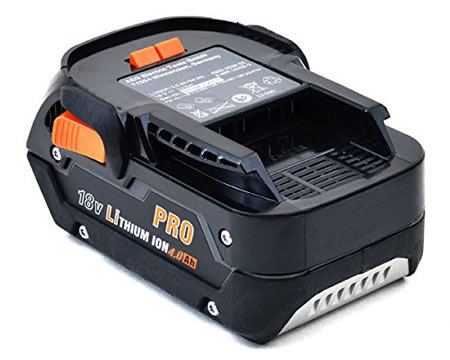
A quick check before you order
Write down the model number of the device and the part number of the battery before you dispose of anything. Compare both against the listing, and ask our team if the device model is not shown. A two-minute check is cheaper than a return, and it keeps the project moving.
Find the right replacement battery
Browse compatible replacement battery packs and chargers, then match the part number on your old pack before you order.
Frequently asked questions
Does an EEPROM increase battery capacity?
No. It stores information used by the charger and the fuel gauge. Runtime comes from the cells, their condition and how the tool draws current, not from the memory chip.
Can a pack with corrupted memory be repaired?
Sometimes a full charge and discharge cycle refreshes learned values. If the gauge stays wrong, replacing the pack is usually simpler and more reliable than attempting board-level repair.
Will an aftermarket pack work with my original charger?
A compatible aftermarket pack is built for the same voltage, contacts and communication behavior, so the original charger normally works. Always confirm the exact part number before ordering.
Related reading
Last reviewed by the batteries-company.com editorial team. Brand and model names are used to describe compatibility only; replacement packs are aftermarket products.
Editorial source: Q&A Collection 121 — “What is the EEPROM” (FAQ #77). See the full collection-to-article map.

 Warehouse address: