


How Cordless Drills Took Over Modern Worksite
The shift away from cords was never really about convenience. It was about removing a daily limitation from the way people work.
- Cordless platforms let one battery family serve many tools.
- Runtime and weight pull against each other; choose for the job at hand.
- A spare pack and a matched charger matter more than a bigger tool case.
- Older tools stay useful when replacement batteries are available.
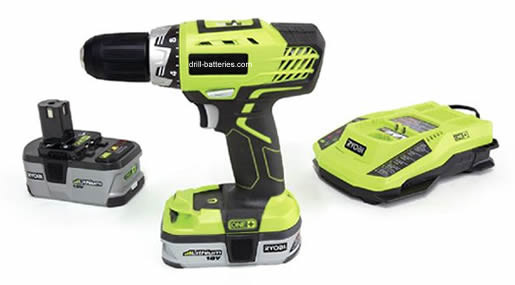
Why Going Cordless Changed the Job
Watch any busy worksite and you will see the same pattern: tools move freely, setup takes seconds and nobody is hunting for an outlet. That freedom did not arrive all at once. Early cordless tools were heavier and weaker than their mains-powered cousins, and their nickel-cadmium packs suffered from memory effect. Lithium-ion changed the balance by delivering more energy for less weight without the old conditioning headaches.
The bigger change was the platform idea. A single battery family could power a drill, an impact driver, a saw and a light. Buying into one system meant fewer chargers, fewer spare packs and less to remember on a Monday morning. It also meant that a worn battery no longer spelled the end of a useful tool.
Match the Pack to the Work
Higher-capacity packs run longer but add weight. For overhead work or long stretches of drilling, that extra mass becomes tiring. For a bench task or a quick fix, a compact pack is easier to handle and usually plenty. There is no universally best capacity; there is the right capacity for the job you do most often.
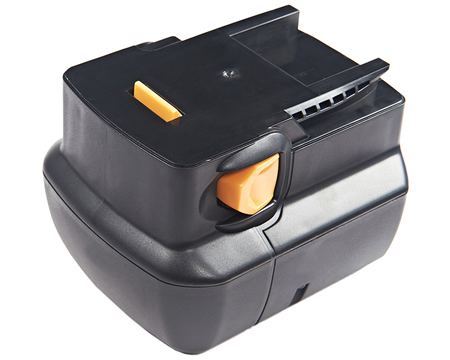
Voltage determines the class of tool. A 12 V driver is nimble and suited to tight spaces, while an 18 V or 20 V max tool delivers the torque needed for heavier work. Stay within the range your tool was designed for. Capacity can go up if the pack fits; voltage should not drift far from the original rating.
Charging Workflow Matters on Site
Professionals rarely think about charging as a separate task. They keep a rotation: one pack in the tool, one on the charger and one ready in the bag. That simple system removes the most common cause of downtime, which is not a lack of power but a pack that nobody put on charge overnight.
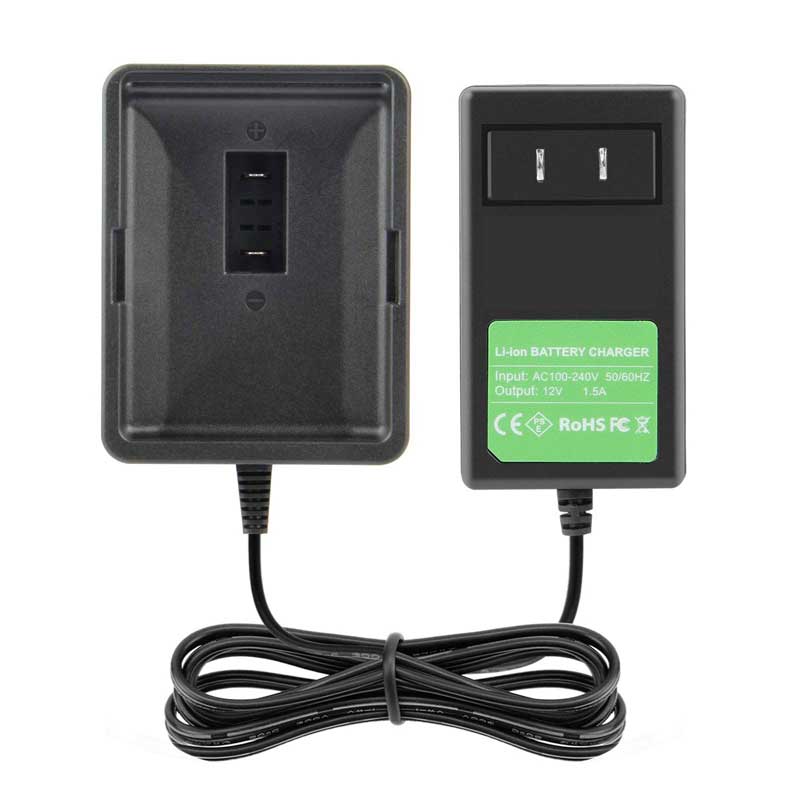
Use a charger designed for the battery's voltage and chemistry. Cheap, mismatched docks are a common cause of overheating and shortened life. Let a hot pack cool before charging it again, and store spares somewhere dry rather than in a van that bakes in the afternoon sun. These habits are unremarkable, which is precisely why they work.
Keeping Older Tools in Service
A good tool can outlast the battery it arrived with. When runtime fades, replacing the pack costs a fraction of replacing the tool, and it keeps familiar equipment in your hands. Match the part number, confirm the connector and check the voltage range before ordering. If the original label is worn, tell us the tool model and we will help identify the right pack.
Our replacement power tool batteries are brand new and 100 percent compatible, backed by a 30-day money-back guarantee and a one-year warranty. Bring an old tool back to work with a pack that fits properly and performs predictably, and recycle the worn one responsibly when it finally retires.
Find the right replacement battery
The right pack keeps a good tool working for years beyond its original battery.
Frequently asked questions
Why did cordless tools replace mains-powered ones?
They removed the dependence on sockets, and a single battery platform could run several tools. For most jobs the freedom and faster setup mattered more than a small difference in peak power.
Should I choose a bigger or lighter battery pack?
It depends on the work. Higher capacity adds weight, which gets tiring for overhead tasks. For bench work or short jobs, a compact pack is often easier to handle.
How do I keep spare packs ready?
Rotate three packs: one in the tool, one on the charger and one in the bag. Use a matched charger and let a hot pack cool before charging it again.

 Warehouse address: