


How to Charge a Rechargeable Battery the Right Way
Charge a new pack fully before its first real use, then top it up regularly instead of letting it sit near empty. If you are figuring out how to charge a new rechargeable battery for the first time, the routine is simple and it protects your runtime.
- Use the charger or cable designed for your device and its battery chemistry.
- Give a brand new pack a complete first charge before judging its runtime.
- A few full cycles help fresh cells reach their best capacity.
- Avoid long stretches at a low charge and never store a pack empty.

Match the Charger to the Battery
The right charging method depends on what came with the original device. A desktop cradle, a wall adapter, a USB cable, or a car adapter can all be correct, as long as the output matches the pack. A power tool battery charger is built for a specific voltage and chemistry, so do not mix brands or borrow an adapter with a different rating. Check the label before you plug in.
Lithium-ion, NiMH, and NiCad cells each have their own charging behavior, so a one-size-fits-all approach can shorten a pack's life. Smart chargers and the electronics inside a modern battery handle most of the guesswork by stopping at full. If your charger has an indicator, trust it rather than guessing at hours. When there is no light, the device manual is the reliable reference.

The First Charge Sets the Tone
When a new replacement battery arrives, give it a complete charge before putting it to work. Charging time varies with chemistry, capacity, and the charger itself, so follow the indicator or the manual instead of a clock. A fresh Li-ion pack often needs two to four full charge and discharge cycles before it delivers its best runtime. That early settling is normal, not a defect.
After that, charge as often as you need rather than waiting for a deep empty. Rechargeable packs are happiest with regular top-ups, and sitting near zero for weeks stresses the cells. A good habit is to plug in after a normal work session so the pack starts the next job ready.
Storage, Heat, and Long-Term Care
If a tool or laptop will sit unused for a while, do not leave the battery installed and forgotten. Every rechargeable pack slowly loses charge on its own, a natural self-discharge that can take a stored cell down to empty over time. Store it partly charged in a cool, dry place and top it up every few months. Extreme heat is harder on cells than normal use.
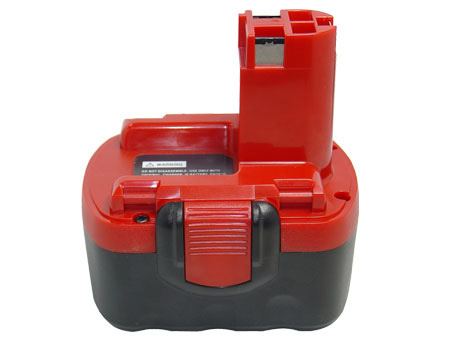
When a pack no longer holds a useful charge after a full cycle, replacement is the sensible move. Browse compatible aftermarket replacement battery packs matched to your model, since a fresh cell restores runtime far better than endless coaxing of a worn one. Charge the new pack fully and it is ready to go.
A Simple Routine to Remember
Charge fully at the start, top up often, store partly charged, and replace when runtime fades. That short routine covers almost every rechargeable pack a US shopper owns, from a cordless drill battery to a laptop cell. Follow the indicator, keep things cool, and the pack will reward you with steady service.
Find the right replacement battery
Browse compatible replacement batteries and chargers for your device and start with a pack that is ready for a proper first charge.
Frequently asked questions
Should I drain a new battery before charging it?
For modern lithium packs, no deep drain is needed. Give a new replacement battery a full charge before first use, then use it normally. A couple of complete cycles help fresh cells settle, but deliberately running a pack to zero can do more harm than good.
Can I leave the battery on the charger overnight?
A quality charger and the protection electronics inside a modern pack stop the flow at full, so an occasional overnight charge is generally fine. Still, unplug once the indicator shows full and avoid heat. What really shortens life is storing a pack empty for long stretches.
Which charger should I use with a replacement pack?
Use the charger meant for that device's voltage and chemistry, whether it is a desktop cradle, wall adapter, USB cable, or car lead. Chargers are rated for their own battery line, so check the label before plugging in. When in doubt, the original manual is the safest guide.
Related reading
Last reviewed by the batteries-company.com editorial team. Brand and model names are used to describe compatibility only; replacement packs are aftermarket products.
Editorial source: Q&A Collection 037 — “How do I charge my rechargeable battery” (FAQ #131). See the full collection-to-article map.

 Warehouse address: