


What Is TPU and How It Relates to Replacement Batteries
TPU is thermoplastic polyurethane, a flexible material between rubber and rigid plastic that bends without cracking and still holds its shape. For a US shopper, that matters because a tough shell is only worth anything once the replacement pack inside actually fits your tool.
- TPU blends rubber-like flexibility with moldable plastic strength, which is why it appears in protective housings.
- The casing says little about cell quality, voltage, or how long a pack will hold a charge.
- Match your exact part number and voltage first; cosmetic material choices come second when ordering.
- A soft-touch overmold adds grip on a job site, but it never replaces sound safety circuitry.
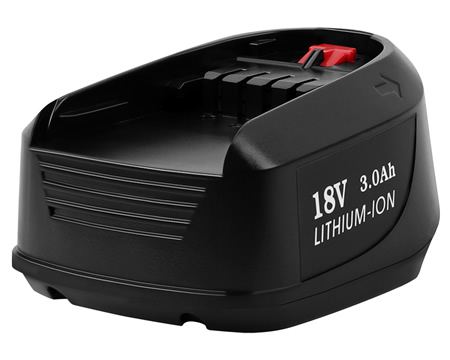
What TPU actually is
Thermoplastic polyurethane is a family of plastics that behaves a bit like rubber. It stretches, springs back, and resists scuffs, yet it can still be melted and molded like any other thermoplastic. By tuning the mix of hard and soft segments, makers get anything from a firm shell to a soft, grippy surface.
The material earns its keep because it absorbs knocks instead of passing them along. That is why some cordless tool packs use a rubberized overmold. It adds grip when your hands are dusty and takes the edge off a drop. None of that changes how the cells perform, so treat the shell as a bonus.

How the material shows up in battery packs
If you landed here after searching what is TPU material used for in battery packs, the short answer is that it belongs to the housing, not the cells. A pack pairs a rigid inner shell with wired cells and a small circuit board that manages charging. A soft outer layer only adds grip and impact protection.
That distinction is easy to miss when two packs look nearly identical online. One may share a shape with yours while using different cells or a different board, which changes runtime and how the tool talks to the charger. A textured grip is worth noticing, but it should never decide the purchase.
Fit and voltage come before the finish
Start with the part number printed on your old pack and the exact model of the tool or laptop it powers. Those two details tell you the voltage, the connector shape, and the signals the device expects. Every aftermarket replacement battery pack we sell is built to be 100% compatible with the original it replaces.
Once compatibility is settled, a tougher casing is a nice extra for anyone working on a job site. If two packs both fit, look at cell quality, the safety circuitry, and the warranty behind them. Those decide whether the pack lasts, not how rubbery the outside feels.

A practical way to shop
Read the compatibility notes on the product page, confirm your model, and keep the old pack handy until the new one arrives so you can compare labels. If anything is unclear, our Contact Us page is the quickest route to an answer before you buy. A little checking beats a return.
Find the right replacement battery
Browse the right replacement battery for your tool, confirm the model, and order with the fit already checked.
Frequently asked questions
Is TPU the same as rubber?
Not quite. TPU is a thermoplastic, so it softens with heat and can be molded, while rubber is set through curing. It borrows rubber's flexibility but keeps a plastic's processing and durability, which makes it handy for protective shells.
Does a TPU casing make a battery safer?
It can help a pack survive a bump, but real safety comes from the cells, wiring, and protection circuit inside. Judge a battery by correct voltage, a proper fit, and a pack built for your exact model, not by how grippy it feels.
Will a softer pack fit my original charger?
The outer material has nothing to do with charger fit. What matters is the connector, the voltage, and the electronics the charger expects. Match your part number and model, and the pack should seat and charge just like the original did.
Related reading
Last reviewed by the batteries-company.com editorial team. Brand and model names are used to describe compatibility only; replacement packs are aftermarket products.
Editorial source: Q&A Collection 041 — “What is TPU?” (FAQ #135). See the full collection-to-article map.

 Warehouse address: