


How Heat and Cold Affect a Battery
Yes, temperature changes how a battery performs, with cold slowing the chemistry and heat speeding up wear. If you have ever asked does cold weather drain a cordless drill battery, the short answer is that chilly cells deliver less power until they warm up.
- Cold slows a cell's chemistry, so a chilly pack delivers less power on demand.
- Heat speeds up aging and can permanently reduce a pack's capacity.
- A rapid temperature swing with humidity can cause damaging condensation.
- Store packs cool and dry, and let a cold one warm before charging.
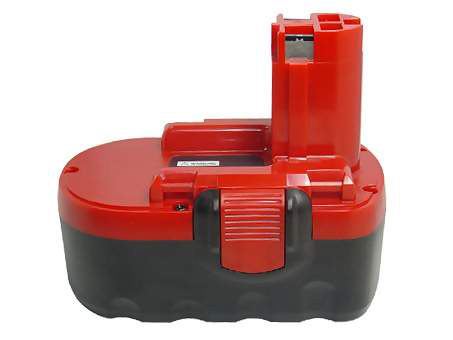
Cold, Heat, and the Chemistry Inside
A battery works through chemical reactions, and reactions are sensitive to temperature. In the cold, those reactions slow down, so the pack shows less voltage under load and a tool feels weaker than it does at room temperature. Warmth does the opposite, letting current flow more freely, but sustained heat also ages the cells faster. Neither effect is a defect; it is physics showing up in everyday use.
The important distinction is temporary versus lasting. A cold pack usually bounces back once it warms up, and the runtime you lost was a condition, not damage. Heat is different, because long exposure to high temperatures can permanently trim capacity. That is why a battery left in a hot car all summer often never recovers its old stamina.

A Winter Morning and a Hot Dashboard
Consider a cordless drill left in an unheated garage overnight. On the first job the battery seems tired and the motor bogs down, yet by afternoon it works normally again. Now consider a laptop pack stored on a sunny dashboard, where heat quietly bakes the cells week after week. One case is a temporary slump you can wait out; the other is real, cumulative wear.
Humidity adds a separate wrinkle. Moving a cold pack into a warm, damp room can form condensation on the contacts and electronics, which is worth avoiding. Let the battery come to room temperature gradually in a dry place before charging. A little patience here is easier than troubleshooting a pack that will not seat or report correctly.
Safe Handling and Sensible Limits
Extreme conditions deserve respect. A pack that has been baked, frozen, swollen, or exposed to moisture should be set aside and inspected before use, and a damaged cell belongs at a proper recycling drop-off. Most everyday temperature swings are harmless, but it is smart to keep batteries out of direct sun, away from heaters, and clear of damp basements. Moderate, stable conditions are what they prefer.
When you choose a replacement, fresh cells and sound protection circuitry give you the best margin against temperature stress. A quality pack regulates its own limits and is less likely to be pushed too far on a hot day. Match the model and part number, and store the new pack the same sensible way.

Simple Habits That Protect Runtime
Keep packs in a cool, dry drawer, let a cold one warm up before charging, and never leave a battery baking in a parked car. Every aftermarket replacement battery pack we stock is brand new, 100% compatible, and comes with a 30-day money-back guarantee and a one-year warranty. Treat it moderately and it will serve you well.
Find the right replacement battery
Browse brand new compatible replacement batteries and chargers by model and pick a pack that handles everyday conditions.
Frequently asked questions
Why does my drill feel weak in winter?
Cold slows the chemical reactions inside the cells, so the pack cannot deliver full voltage under load until it warms. That slump is usually temporary and clears on its own. Bring the battery indoors before a job and let it reach room temperature, and normal power should return.
Is heat actually bad for a stored battery?
Yes, sustained heat is one of the few things that can permanently reduce capacity. A pack kept in a hot car or in direct sun ages faster than one stored cool and dry. The damage builds quietly over time, which is why a cool drawer is a better home than a dashboard.
Can condensation really hurt a pack?
It can. Moving a cold battery into a warm, damp space may form moisture on the contacts and circuitry, leading to poor readings or charging trouble. Let it warm gradually in a dry room before use. Avoiding that quick temperature swing is a simple, effective precaution.
Related reading
Last reviewed by the batteries-company.com editorial team. Brand and model names are used to describe compatibility only; replacement packs are aftermarket products.
Editorial source: Q&A Collection 125 — “Does temperature affect my battery” (FAQ #80). See the full collection-to-article map.

 Warehouse address: