


Should You Charge a New Battery Before First Use
Yes, a brand new rechargeable pack should get a full charge before its first real use. Replacement cells commonly leave the factory at a low state of charge for safer transport, so that first session wakes the electronics and gives you an accurate runtime reading from day one.
- New packs ship with a low charge to stay safe in transit.
- A full first charge helps the fuel gauge report runtime correctly.
- Use the charger that matches the pack voltage and chemistry.
- Some cells sit in a protective sleep mode until a charger wakes them.
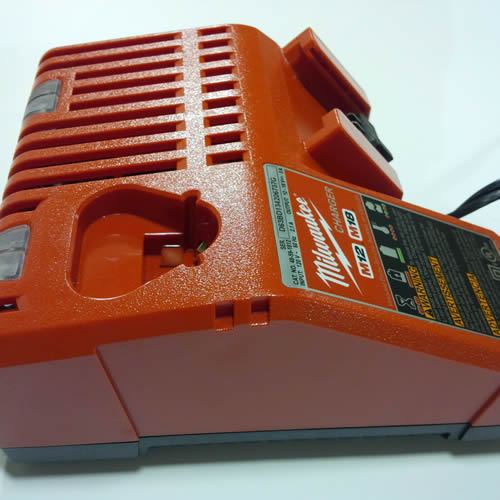
Why the first charge matters
If you are asking should I charge a new battery before first use, the answer is yes for almost every rechargeable pack we sell. Cells are shipped with only a partial charge, both to stay within transport rules for lithium batteries and to reduce stress during storage. Placing the pack on the charger before you rely on it simply brings it up to its intended starting point.
A Li-ion battery pack also contains small protection and monitoring circuits that need a complete charge to calibrate. Without it, the gauge on your tool or laptop may show a misleading percentage for the first few cycles. One uninterrupted session on the correct charger is usually enough to settle the readings and give you a trustworthy baseline.
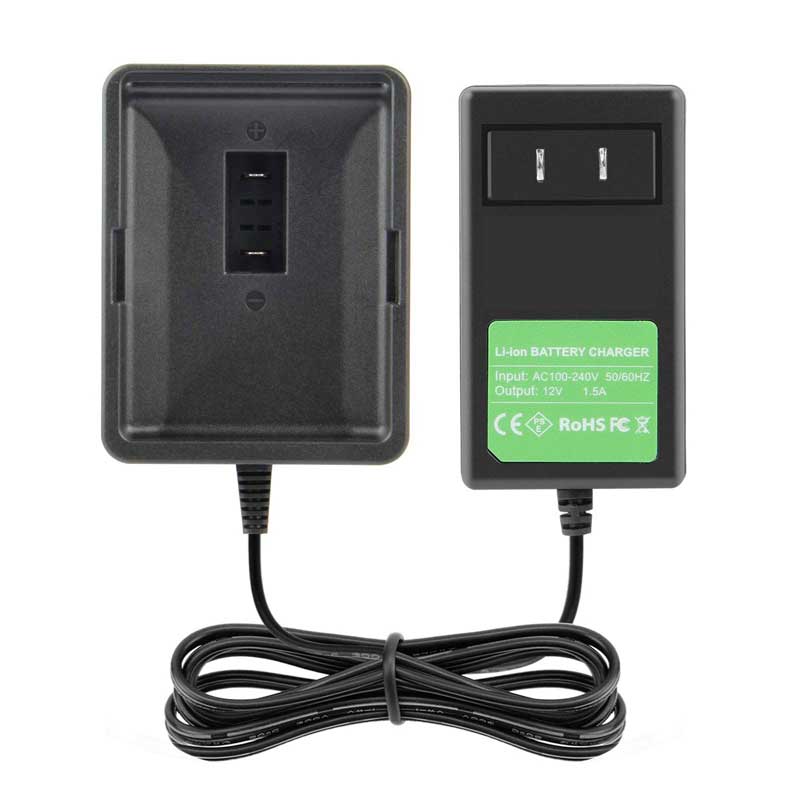
What sleep mode means for a new pack
Some lithium packs arrive in a low-power sleep state, a protective mode the electronics enter during long storage or shipping. In that state the pack may appear completely dead and refuse to power a device at all. A compatible charger applies a gentle initial current that wakes the cells, after which normal charging begins, so do not assume a silent pack is defective.
Give the charger time to do its work before you draw any conclusions. If the indicator stays dark after a reasonable while, reseat the pack and confirm the contacts are clean. Persistent trouble is worth a quick note to our support team through the Contact Us page rather than repeated guessing with improvised chargers.
Charging the right way the first time
Set the aftermarket replacement battery pack on a stable surface, seat it fully in the charger, and let it reach a full charge without interrupting the cycle. Use the charger matched to that pack rather than a generic unit, since voltage and chemistry have to line up. Room temperature is ideal, so avoid a hot garage or a freezing workbench during this first session.
There is no need for an overnight marathon or any special trickle ritual with modern Li-ion cells. Once the indicator shows full, the pack is ready to use, and leaving it on the charger indefinitely adds little benefit. From there, normal use and ordinary recharging keep the cells healthy over their working life.
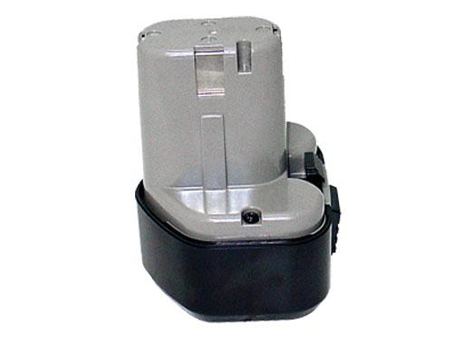
After the first charge
Put the pack to work and note how long it runs, since that first outing gives you a realistic baseline for comparison. Keep the Battery FAQs page handy if questions come up about charging habits or storage. If a full charge still delivers very short runtime, contact our team, and the 30-day money-back guarantee gives you room to resolve it.
Find the right replacement battery
Explore our replacement batteries and matched chargers to start your next project with a full charge.
Frequently asked questions
What if the new battery seems completely dead?
That is often sleep mode rather than a fault. Seat it on the matched charger and give the electronics time to wake, since an initial low current is normal for a pack stored at a low state of charge.
Do NiMH or NiCad packs need the same treatment?
The idea is similar, since a full first charge sets a clean starting point, though older chemistries behave differently from Li-ion. Follow the charger designed for that pack, and avoid leaving any battery on an improvised charger that is not rated for its chemistry.
Should I run the pack down before charging it again?
No, modern Li-ion cells do not need a deliberate deep discharge, and doing so regularly can shorten their life. Charge whenever it is convenient and keep the pack away from extreme heat or cold, which are harder on cells than ordinary partial recharges.
Related reading
Last reviewed by the batteries-company.com editorial team. Brand and model names are used to describe compatibility only; replacement packs are aftermarket products.
Editorial source: Q&A Collection 054 — “Should I charge it before the first use?” (FAQ #147). See the full collection-to-article map.

 Warehouse address: