


What Is Loss of Charge Acceptance in Batteries
Loss of charge acceptance is the permanent drop in how readily an aging pack takes in and holds energy, caused by chemical changes inside the cells. For a US shopper, knowing the fade cannot be reversed saves you from conditioning tricks and points you toward a matched replacement battery.
- Charge acceptance fades as the active materials inside a cell gradually degrade.
- The loss is permanent; no cycling routine restores lost capacity.
- Internal resistance rises with age, so charging slows and runtime shortens.
- A fresh compatible pack is the practical answer once fade becomes disruptive.
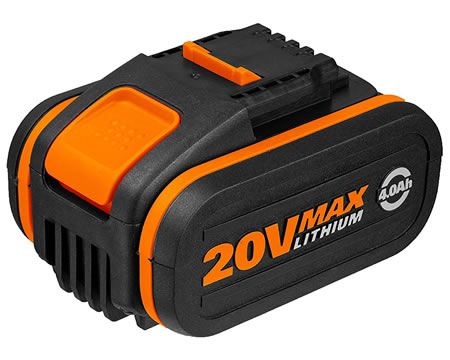
The Idea in Plain Terms
A new rechargeable cell accepts energy easily, like a clean sponge soaking up water. With use, the active materials inside undergo slow chemical changes called oxidation, and the cell's internal resistance climbs. The result is a pack that charges more slowly and never quite reaches the same full reserve. Engineers call this loss of charge acceptance, and it is a normal part of how a Li-ion battery pack ages.
The phrase sounds more technical than the experience behind it. You plug in a tool or laptop, the charger does its job, and the gauge reaches 100 percent, yet the device runs for a shorter stretch than it used to. The pack is accepting the charge, but holding less of it than before. That gap between a full reading and shorter runtime is what declining acceptance feels like.

A Concrete Example of the Fade
Consider a cordless drill that once drove a full box of screws on a single charge. After a couple of years of weekend use, the same pack needs a top-up halfway through the job. The charger is fine and the cells still work; they simply cannot take in and store the energy they handled when new. That is loss of charge acceptance on a real project.
What makes this different from a bad charger or a loose connection is the pace. A genuine fault appears suddenly, while acceptance fades over many months and keeps going in one direction. If every pack you own is aging at once, the batteries are the common factor, not the tool. Noting when the decline started helps you separate normal wear from a problem worth troubleshooting.
Why Conditioning Will Not Bring It Back
If you have searched what causes a lithium battery to stop accepting a charge, the honest answer is time and use, not something a reset can undo. The active materials in the cells are consumed over time, and that change is permanent. Fully draining and recharging a pack can recalibrate the fuel gauge so the percentage reads more accurately, but it does not rebuild the material that has already degraded.
That is good news in a practical sense. Once you accept that the fade cannot be reversed, you can stop chasing fixes and make a simple decision based on runtime. When a full charge no longer covers a normal session, a fresh, correctly matched pack is the sensible move rather than another round of conditioning.
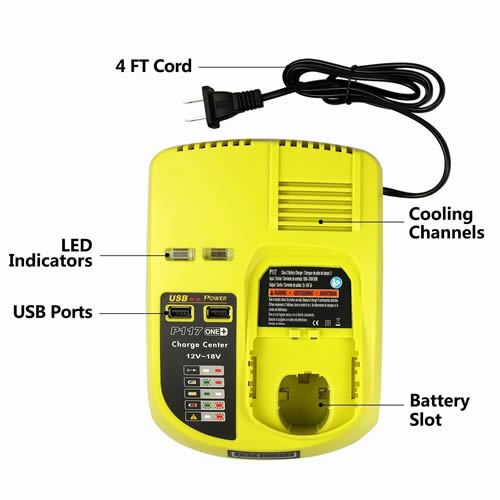
What to Look For in a Replacement Pack
When fade becomes disruptive, a replacement power tool battery is the straightforward answer. Match the voltage, part number, and connector to your tool first, then compare the amp-hour rating, since capacity shapes how long each charge lasts. Every pack we sell is brand new and 100% compatible, with a 30-day money-back guarantee and a 1-year warranty, so you can swap confidently.
Find the right replacement battery
When a full charge no longer lasts, browse a compatible replacement battery or charger matched to your tool model and part number.
Frequently asked questions
Is loss of charge acceptance the same as a dead battery?
Not quite. A dead pack fails all at once, while acceptance fades slowly over many months of normal use. The battery still charges and still powers the device, just for a shorter time. Recognizing that gradual pattern helps you plan a replacement instead of assuming the pack is broken.
Can a full discharge restore lost capacity?
No. A full drain and recharge can recalibrate the gauge so the reported percentage is more accurate, but it cannot rebuild the cell materials that have degraded. Capacity lost to age and use is permanent, which is why a fresh compatible pack is the only real way to get your original runtime back.
Does fast charging make it worse?
Heat is the real accelerator, and aggressive charging can add warmth that speeds the chemical changes inside a cell. Using the charger designed for your pack's voltage and letting a hot battery cool before recharging are easy habits that slow the fade. They will not stop it, but they help a pack stay useful longer.
Related reading
Last reviewed by the batteries-company.com editorial team. Brand and model names are used to describe compatibility only; replacement packs are aftermarket products.
Editorial source: Q&A Collection 105 — “What is loss of charge acceptance” (FAQ #62). See the full collection-to-article map.

 Warehouse address: