

What to Do With an Old Rechargeable Battery
A worn-out rechargeable pack should never go in the household trash, but dealing with it is simpler than most people expect. This guide covers safe handling, recycling options in the US, and how to tell when a replacement battery is the better call.
- Rechargeable cells belong at a battery drop-off, not in household trash.
- Tape the terminals of a spent Li-ion pack before storing or transporting it.
- Call2Recycle and many US retailers accept old rechargeable battery packs.
- When a pack no longer holds a charge, a fresh replacement is the practical fix.
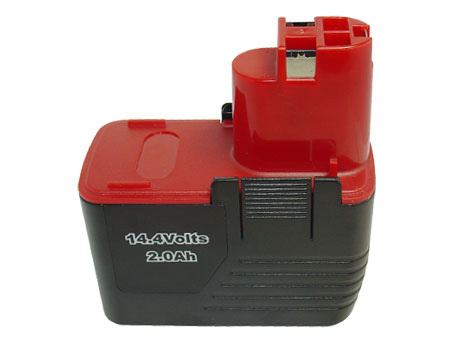
Why old batteries need special handling
Rechargeable packs still hold energy even when they seem dead, and tossing one in the trash can cause problems in a garbage truck or landfill. A damaged Li-ion cell can short against metal and get hot, which is why recycling rather than disposal is the responsible habit. The good news is that dropping off a spent pack is usually quick.
Different chemistries are handled the same basic way at the curb. NiCad, NiMH, and Li-ion packs all count as rechargeable batteries that recyclers accept, so you do not need to sort them by type before a drop-off. What matters is that they reach a collection point instead of a landfill, where metals and plastics can be recovered.

Getting a spent pack ready for recycling
Start by confirming the pack is genuinely at the end of its life. If a cordless drill battery still takes a charge and runs a tool normally, keep using it; replace it only when runtime falls off sharply. Once you decide to retire it, cover the exposed terminals with a piece of tape so the contacts cannot touch metal in a bin or bag.
Store the retired pack in a cool, dry place out of direct sun until you can drop it off, and keep it away from loose coins, keys, or tools. Swollen, leaking, or unusually hot cells deserve extra care, so place those in a nonconductive container and mention the condition at the collection point rather than tossing them in a bin.
Finding a drop-off point in the US
Most communities have a rechargeable battery collection option, and many hardware and electronics retailers keep a bin near the entrance. A national program called Call2Recycle maintains a large network of drop-off locations across the country, so a quick search by ZIP code usually turns up a nearby site. Check the hours before you go.
If you have been searching where to recycle old rechargeable batteries in the USA, that network plus local household hazardous waste sites is the practical answer. Once the old pack is on its way, order a compatible replacement so the tool or laptop is not sitting idle for long.
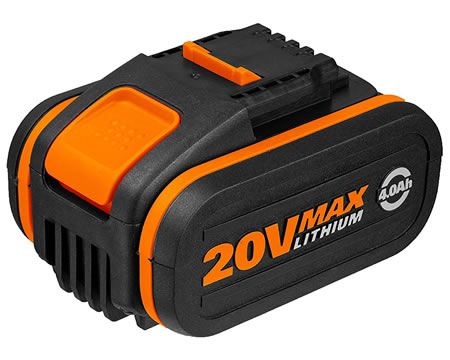
When replacement beats another charge
Recycling and replacing usually go together. Once a pack needs a charge after only a few minutes of use, or a replacement laptop battery will not report a full level, a fresh pack is the sensible next step rather than more coaxing. Every replacement we sell is brand new and 100% compatible, backed by a 30-day money-back guarantee and a 1-year warranty.
Find the right replacement battery
Recycle the old pack and browse a compatible replacement battery or charger to keep your tool powered.
Frequently asked questions
Can I throw rechargeable batteries in the trash?
It is better not to. A spent pack can still carry a charge, and a short against metal in a truck or landfill can create heat. Take NiCad, NiMH, and Li-ion packs to a rechargeable drop-off instead, where their metals and plastics can be recovered.
Do I need to discharge the old pack first?
No, there is no need to run it down before recycling. Simply make sure the terminals are taped so the contacts cannot short, and store the pack somewhere cool and dry until drop-off. Fully draining a tired Li-ion cell does nothing to help the recycling process.
Should I recycle a battery that still works?
If it holds a useful charge, keep using it and recycle it later. A pack is ready to retire when runtime drops sharply or it will not charge fully. When that day comes, drop it off and replace it with a compatible pack so your device keeps running.
Related reading
Last reviewed by the batteries-company.com editorial team. Brand and model names are used to describe compatibility only; replacement packs are aftermarket products.
Editorial source: Q&A Collection 063 — “What do I do with my old battery” (FAQ #22). See the full collection-to-article map.

 Warehouse address: