


Getting the Most From Your Replacement Battery
A few simple habits can stretch the working life of almost any rechargeable pack. For US shoppers, treating a replacement battery with care means fewer charge cycles, steadier runtime, and a longer wait before you need another.
- Every pack is rated for a limited number of charge cycles.
- Use AC power when it is available to save battery cycles.
- Only charge with a charger matched to the pack chemistry.
- Heat, cold, and hard drops are the main enemies of cells.
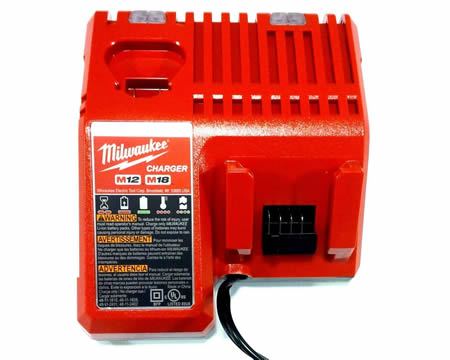
Small habits that add up to longer life
If you are looking for how to make my replacement battery last longer, the biggest wins come from everyday handling rather than any special product. Each cell is rated for a limited number of charge-discharge cycles, so every unnecessary cycle uses a little of that budget. When wall power is available, run the tool or laptop on AC and save the pack for cordless work.
A replacement power tool battery also benefits from moderate use rather than constant full drains. Topping up partway through a job is gentler than pushing a pack to empty every time, and it keeps the tool ready when you need it. Think of cycles as a finite resource and spend them where cordless operation actually matters.
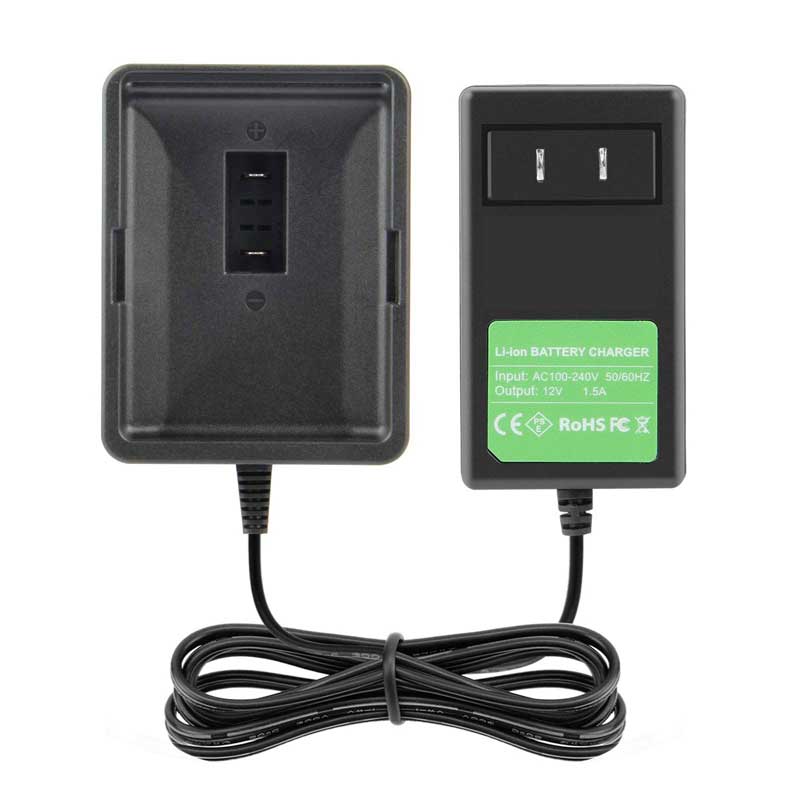
Charging and handling without shortcuts
Use only the charger designed for the pack, because an improvised or mismatched unit can push the wrong voltage into the cells. Avoid dropping a cordless drill battery onto a hard floor, since impacts can loosen internal connections and stress the casing. Charge and store packs at ordinary room temperature, well away from a hot car dashboard or a freezing shed.
Extreme heat and cold are especially hard on lithium cells, and both can cut runtime well before the pack reaches its normal cycle limit. If a pack feels unusually warm after charging, let it cool before use. Wiping the contacts clean now and then also helps the charger and the pack communicate properly.
Storage and realistic expectations
If a pack will sit unused for a while, store it with a partial charge in a cool, dry place rather than fully empty or on the charger. No rechargeable cell holds a charge forever, and gradual capacity loss is normal over years of use. Tracking how runtime changes helps you judge when a replacement makes more sense than another season of nursing a tired pack.
Even with perfect care, a pack eventually reaches the end of its useful cycle count. When runtime drops to a fraction of what it once was, a brand new compatible cell restores the tool to full-day work. Good habits delay that day, but they do not remove it entirely.
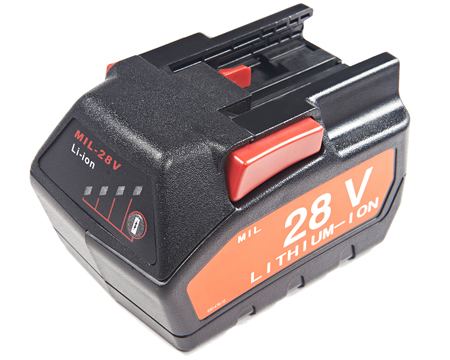
When a fresh pack is the smart move
Once a pack will not hold a useful charge, replacing it is usually cheaper than planning work around constant recharging. Our compatible replacements are brand new and built to the original fit, so a swap is straightforward. The Battery Guides and Battery FAQs pages cover more care tips if you want to keep reading.
Find the right replacement battery
Browse replacement power tool batteries and chargers to keep your tools running at full strength.
Frequently asked questions
Should I always run the battery fully down before recharging?
No, that advice comes from older NiCad packs and does not suit modern Li-ion cells. Partial top-ups are perfectly fine and generally gentler, so charge whenever it is convenient rather than forcing a full drain each time.
Is it safe to leave a pack in a hot car?
It is better not to, since sustained heat is one of the fastest ways to age lithium cells. Store packs in a cool, shaded place, and let a warm pack return to room temperature before you charge or use it.
How do I know when to stop nursing an old pack?
When a full charge gives you only a short window of work and the drop is steady rather than a one-off, the cell is near the end of its cycle life. At that point a new compatible pack is the practical choice, and good habits will help the replacement last longer.
Related reading
Last reviewed by the batteries-company.com editorial team. Brand and model names are used to describe compatibility only; replacement packs are aftermarket products.
Editorial source: Q&A Collection 062 — “How can I get the most out of my replacement battery” (FAQ #21). See the full collection-to-article map.

 Warehouse address: