


Powering High-Drain Gadgets Without Running Out of Runtime
Immersive screens, spatial audio and fast motors all compete for the same limited store of energy. Understanding that competition makes capacity easier to choose.
- High-drain devices care about current delivery as much as total capacity.
- Watt-hours compare packs more fairly than mAh when voltages differ.
- A bigger pack helps only if it fits and the device can use the extra cells.
- Heat is the price of pushing a battery hard, so cooling and charging habits matter.
Why Some Devices Are Simply Thirstier
Modern gadgets do far more than their predecessors. A laptop may drive a bright, high-resolution display, keep several wireless connections active and run graphics-heavy software at the same time. Immersive experiences add layers to that load: richer visuals, more motion and audio processing. Each layer draws current from the same pack.
A vacuum motor or a power tool presents a different version of the same problem. The demand arrives in bursts and spikes when resistance rises. In both cases, the battery is asked to do two jobs at once: hold enough energy for the whole session and deliver it fast enough when the device needs a surge.
Capacity, Voltage and the Number That Matters
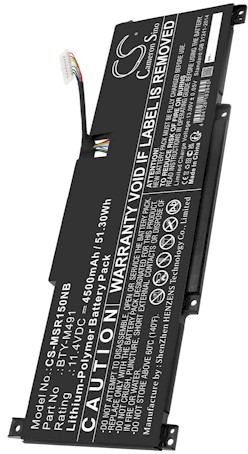
Milliamp-hours tell you how much charge a pack holds. Multiply that figure by the voltage and you get watt-hours, which is a better way to compare batteries across different voltage ranges. A higher mAh rating on a lower-voltage pack may not represent more usable energy than a smaller number on a higher-voltage one.
The second number to watch is how much current the pack can deliver safely. A battery with generous capacity but weak cells can sag badly under load, causing the device to dim its screen, throttle performance or shut down. This is why two packs with identical printed capacity can feel completely different in real use.
Does a Bigger Battery Always Help?
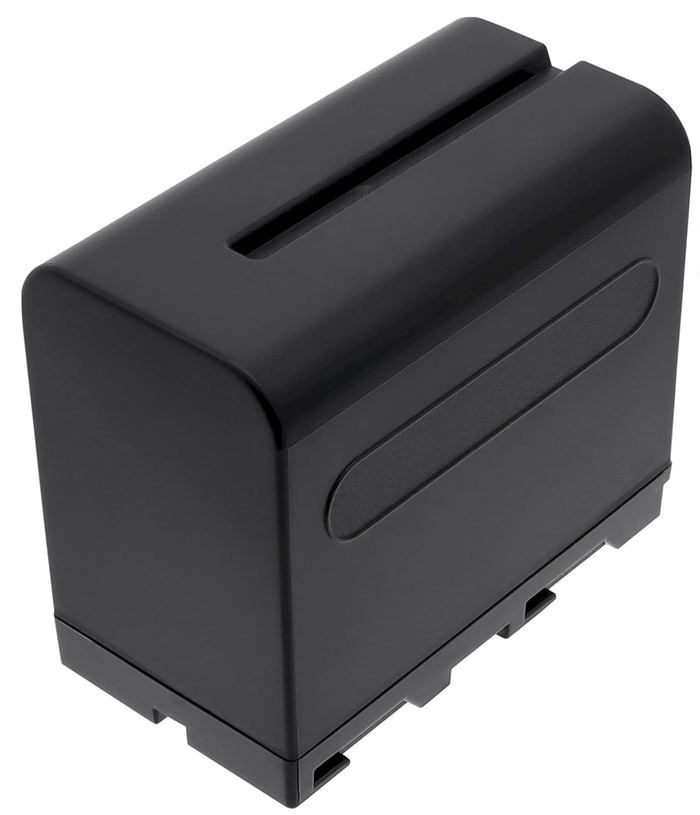
Sometimes. A higher-capacity replacement is a genuine improvement when it fits the original bay, stays within the intended voltage range and comes from a maker who has matched the cells properly. It is not helpful when it adds weight you will carry all day or when the device's software will not recognise it correctly.
There is also a management question. Devices with demanding loads are usually careful about how they draw power, scaling performance back when the pack is under stress. That protects the battery, but it means the extra capacity is only useful if the device can actually take advantage of it. For most people, a well-made pack at or slightly above the original rating is the sensible target.
Looking After a Hard-Working Pack
Heat is the main enemy. High drain generates warmth inside the cells, and charging a hot battery adds more. Give a hard-used pack time to cool before putting it on charge, and avoid leaving it in a hot car or close to a heater. Store spares partly charged in a cool, dry place and top them up before a long gap.
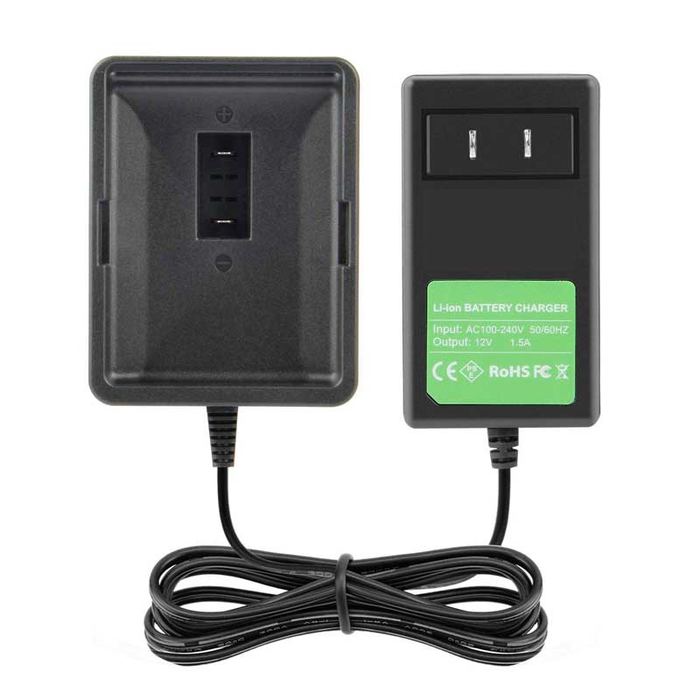
When runtime has fallen to the point where the device cannot finish a normal session, the cells have reached the end of their useful life. Match the part number, check voltage and capacity, and choose a brand new replacement from a seller who offers a warranty. We supply fully compatible packs with a 30-day money-back guarantee and a one-year warranty, and we will confirm the fit before you order. Recycle the old pack properly rather than leaving it in a drawer.
Find the right replacement battery
The right capacity turns a demanding device back into a dependable one.
Frequently asked questions
Does a bigger battery make a high-drain device faster?
No. Capacity affects how long it runs; current delivery affects performance. A pack with weak cells can sag under load even if its printed capacity is high.
How should I compare two packs at different voltages?
Convert mAh to watt-hours by multiplying by voltage. It takes seconds and gives a fairer comparison of stored energy.
What shortens the life of a hard-working pack?
Heat above all. Let a heavily used battery cool before charging, avoid hot cars and heaters, and store spares partly charged in a cool, dry place.

 Warehouse address: