

How Batteries Turn Chemistry Into Power
A battery converts stored chemical energy into electrical energy through reactions at two electrodes. That simple idea explains voltage and capacity, the two numbers that matter most when a US shopper picks a replacement pack.
- A battery stores chemical energy and releases it as electrical current.
- The anode and cathode drive a reaction that moves electrons through a circuit.
- An electrolyte carries ions inside while electrons flow through the device.
- Voltage and capacity are the practical results of that internal design.
The Basic Exchange
Inside every battery, chemical energy is waiting to be turned into electrical energy. Two electrodes, called the anode and the cathode, sit in an electrolyte, and a reaction between them pushes electrons toward an external path. Those moving electrons are the current that runs your device. It is a tidy bit of chemistry that happens quietly inside a sealed case every time you pull a trigger or open a laptop.
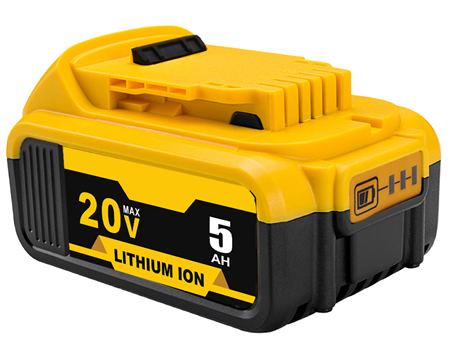
If you have been asking how does a lithium-ion battery power a cordless drill, the answer is that very exchange, repeated across several cells wired together. Lithium ions move through the electrolyte inside the cell while electrons travel through the tool's motor on the outside. One reaction releases energy on discharge, and charging simply pushes the chemistry back the other way so the pack is ready again.

A Concrete Example
Picture a cordless drill on a shelf for a month, then picking it up for a full afternoon of work. The pack holds its charge because the internal reactions are stable when the circuit is open. Pull the trigger and the circuit closes, ions shift inside the cells, and electrons flow to the motor, turning stored chemistry into torque you can feel.
That is also why a tired pack feels so different. Over hundreds of cycles the internal chemistry grows less efficient at moving charge, so the same reaction delivers less current for less time. No charger can restore that lost capacity, which is the moment a fresh, correctly rated pack becomes the sensible answer rather than another hour on the charger.
From the Science to the Shelf
You do not need the details of redox reactions to buy well, but two ideas carry over directly. Voltage reflects the electrical push the chemistry provides, and it must match your tool or laptop. Capacity, in mAh or Ah, reflects how much reactive material is inside, and it shapes how long a charge lasts. Together they describe almost everything a shopper needs to know.
Cell quality and protection circuitry matter too, since they keep those reactions even and safe across the pack's life. A well made Li-ion battery pack balances its cells so no single one is overworked. That is the practical payoff of understanding the science: you can read a compatibility listing and know what the numbers actually mean for your device.
Keep It Simple When You Buy
Chemistry is fascinating, but the buying decision stays easy. Match the device model and the voltage on your old pack, and the internal design takes care of itself. Our Battery FAQs go deeper if you are curious, and a brand new compatible replacement is already engineered around the right reactions. Good science, quietly applied, is exactly what a dependable battery should be.
Find the right replacement battery
Put the basics to work and browse replacement power tool batteries and Li-ion battery packs matched to your device.
Frequently asked questions
What actually creates the electric current?
A reaction at the anode and cathode moves electrons through the external circuit while ions travel through the electrolyte inside the cell. That flow of electrons is the current powering your device. Charging reverses the chemistry so the pack can repeat the process on the next use.
Why does a battery wear out over time?
Each charge and discharge cycle slightly changes the internal chemistry and raises resistance, so the pack gradually delivers less capacity. Heat and deep discharge speed that aging along. Once runtime drops noticeably after a full charge, a fresh correctly rated pack is the practical fix.
Do I need the science to pick a replacement?
No. Match the device model and the voltage printed on your old pack, and the internal design follows automatically. Understanding voltage and capacity simply helps you read a listing with confidence. A compatible replacement already has the right chemistry and protection built in.
Related reading
- What the C Rating on a Battery Pack Means
- What Is TPU and How It Relates to Replacement
- 20V Max vs 18V Battery: What the Labels Mean
- Battery Chemistry Types Explained for Replacement Packs and Chargers
- Can You Choose the Battery Chemistry in a Replacement
- A Practical Guide to TomTom Go 730 Battery Replacement
Last reviewed by the batteries-company.com editorial team. Brand and model names are used to describe compatibility only; replacement packs are aftermarket products.
Editorial source: Q&A Collection 123 — “How do batteries work” (FAQ #79). See the full collection-to-article map.

 Warehouse address: